


Attention-deficit hyperactivity disorder (ADHD) is commonly associated with children, but it can also affect adult women and men. However, the symptoms of ADHD can be different for females compared to males, making it challenging to diagnose. In this article, we will explore the distinct symptoms of ADHD in women, why it is often misdiagnosed, the role of hormones in female ADHD, self-assessment techniques to recognize ADHD symptoms, free female ADHD test. It also covers treatment options for women with attention deficit disorder.
Understanding ADHD Diagnoses in Women
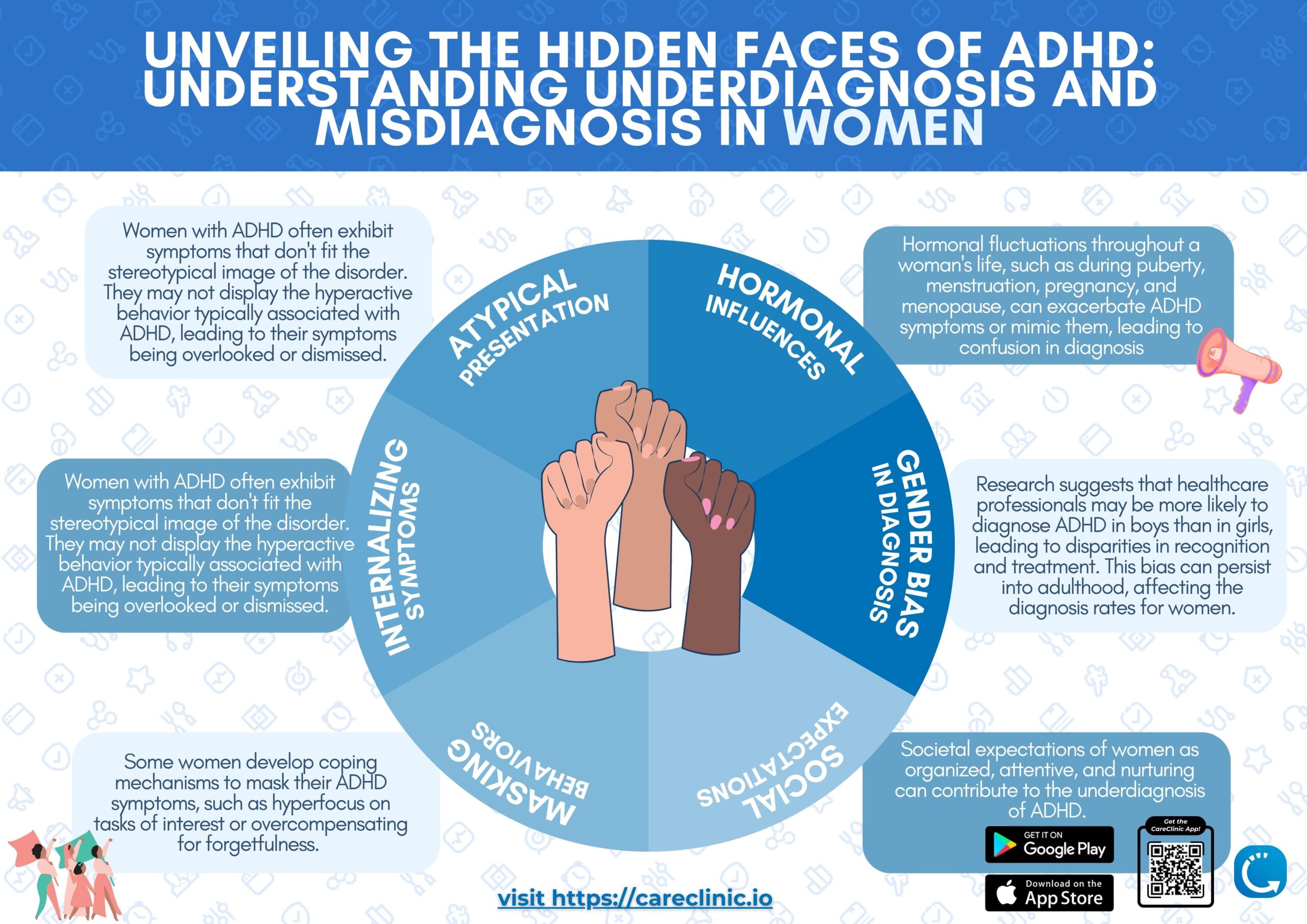
ADHD is a neurodevelopmental disorder characterized by difficulty in paying attention, impulsivity, and hyperactivity. In women, the symptoms of ADHD may manifest differently compared to men. Women with ADHD often internalize their difficulties, leading to emotional struggles, low self-esteem, and anxiety. They may exhibit non-disruptive behaviors and often go undiagnosed or misdiagnosed with other conditions such as anxiety or depression.
Mental health misdiagnosis is unfortunately common across many conditions, not just ADHD. Women experiencing cognitive difficulties, attention problems, or emotional dysregulation may benefit from comprehensive screening that considers multiple diagnostic possibilities. For those experiencing more complex symptoms like unusual thoughts or perceptual changes alongside attention issues, a schizophrenia questionnaire can help distinguish between different neurodevelopmental and psychiatric conditions to ensure accurate assessment.
It is important to recognize that ADHD in women can present in unique ways that may not fit the stereotypical image of the hyperactive young boy. Women with ADHD may struggle with what is known as "quiet" symptoms, such as daydreaming, zoning out in conversations, or feeling overwhelmed by everyday tasks. These subtler signs can make it challenging for healthcare providers to identify ADHD in women, especially if they do not fit the traditional diagnostic criteria.
The Distinct Symptoms of ADHD in Women
Women with ADHD may experience difficulties in prioritizing tasks, organizing their thoughts, and managing time. They may also struggle with maintaining relationships, regulating emotions, and sustaining focus. Other common symptoms include forgetfulness, chronic disorganization, excessive worrying, and impulsive decision-making.
Moreover, women with ADHD often face additional challenges related to hormonal fluctuations, particularly during menstrual cycles, pregnancy, and menopause. These hormonal changes can exacerbate ADHD symptoms, making it even more crucial to understand the unique ways in which ADHD can impact women's lives at different stages.
Why ADHD is Often Misdiagnosed in Women: Inattentive Type Symptoms
The symptoms of ADHD in women can be easily confused with other conditions, leading to misdiagnosis or delayed diagnosis. The tendency to internalize emotions and display fewer external signs of hyperactivity can mask the underlying ADHD. Additionally, societal expectations and gender stereotypes may influence the perception and recognition of symptoms.
Furthermore, the overlap of ADHD symptoms with conditions like anxiety, depression, or even thyroid disorders can complicate the diagnostic process for women. Healthcare providers need to consider the possibility of ADHD in women presenting with mental health concerns to ensure accurate diagnosis and appropriate treatment.
Is ADHD a Mental Illness?
Is ADHD a mental illness? Yes, in the medical sense. ADHD is a mental health condition. The DSM-5, the manual clinicians use to diagnose mental disorders, lists it as a neurodevelopmental disorder. That means it is tied to how the brain develops, and symptoms must begin in childhood, before age 12. It is marked by persistent problems with attention, hyperactivity or impulsivity that get in the way of daily life.[8][9]
The Three Types of ADHD
ADHD stands for attention deficit hyperactivity disorder. The name is meant to cover three groups of symptoms: inattention, hyperactivity and impulsivity. Based on which symptoms a person has, they are diagnosed with one of three types. The DSM-5 calls them presentations.[9][10]
- Predominantly inattentive presentation: mostly trouble paying attention, staying organized and finishing tasks, without much hyperactivity.
- Predominantly hyperactive-impulsive presentation: mostly restlessness, talking a lot, interrupting and trouble doing quiet activities.
- Combined presentation: symptoms of both groups. This is the most common type.[13]
Girls and women are more likely to be diagnosed with inattentive ADHD.[9]
ADHD and Other Mental Health Conditions
ADHD often occurs alongside other conditions, such as anxiety, depression, learning disorders, sleep problems or disruptive behavior. Each one can then be harder to diagnose and treat. If you also notice ongoing worry or low mood while you take the test on this page, mention both to your clinician.[8]
Advantages of ADHD
ADHD brings real challenges, and research also looks at its strengths. In one study, successful adults with ADHD described divergent thinking, hyperfocus, energy, courage and resilience as positive parts of their ADHD.[11] In a survey of 206 people with ADHD, the strengths they named grouped into creativity, being dynamic, flexibility, social and emotional skills, and higher-order thinking skills.[12] These traits do not replace treatment, but they can help you plan around what works for you.
The Role of Hormones in Female Diagnosing ADHD
Hormones, particularly estrogen, play a significant role in female ADHD. Fluctuations in estrogen levels throughout the menstrual cycle can affect ADHD symptoms. Many women notice an increase in symptoms, such as irritability, impulsivity, and mood swings during certain phases of their cycle.
Understanding the intricate relationship between hormones and ADHD in females is crucial for effective management and treatment of the condition. Estrogen, in particular, has been found to impact not only the severity of symptoms but also the overall cognitive functioning of women with ADHD.
Estrogen and Its Impact on Diagnose ADHD
Research suggests that estrogen influences the production and availability of neurotransmitters in the brain, affecting cognitive functions and mood regulation. Women with ADHD may experience heightened symptoms during periods of high estrogen levels, such as during ovulation and premenstrual phases.
Moreover, estrogen has been linked to the regulation of dopamine and norepinephrine, neurotransmitters known to play a crucial role in attention, focus, and impulse control. The fluctuation of estrogen levels can disrupt the delicate balance of these neurotransmitters, leading to an exacerbation of ADHD symptoms in women.
The Menstrual Cycle and ADHD Symptoms
During the menstrual cycle, women with ADHD may experience an exacerbation of symptoms, commonly referred to as "ADHD weeks." These weeks are characterized by increased impulsivity, emotional sensitivity, distractibility, and difficulties in concentration. Tracking these symptoms throughout the menstrual cycle can help identify patterns and manage ADHD more effectively.
It is essential for healthcare providers to consider the cyclical nature of ADHD symptoms in females and tailor treatment plans accordingly. By addressing the hormonal influences on ADHD, clinicians can provide more personalized and targeted interventions to help women better manage their symptoms and improve their quality of life.
[3]
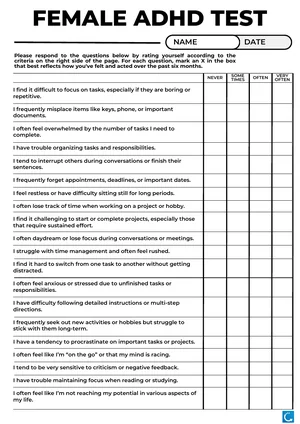
Download Free Female ADHD Test
Are you navigating the complexities of daily life and wondering if ADHD might be a factor? Understanding your experiences is the first step toward clarity and empowerment. This free test is designed specifically for women to help you identify potential ADHD symptoms in a straightforward and accessible way.
By reflecting on your experiences, you can gain insights that may guide you in seeking further evaluation or support. Download your free test today and take the first step toward understanding yourself better!
Self-Assessment: Recognizing ADHD Symptoms in Your Life
Recognizing and understanding the symptoms of ADHD is crucial in seeking appropriate diagnosis and treatment. Here are some self-assessment techniques to help you identify possible women ADHD symptoms in your life:
ADHD, or Attention Deficit Hyperactivity Disorder, is a neurodevelopmental disorder that can manifest differently in women compared to men. Women with ADHD may experience a unique set of emotional and cognitive symptoms that often go unrecognized. It is important to be aware of these symptoms to seek proper support and management strategies.
Emotional Symptoms of ADHD in Women
- Mood swings and emotional sensitivity
- Difficulty regulating emotions and bipolar disorder
- Low self-esteem and self-doubt
- Chronic irritability
- Mental health conditions such as anxiety and worry
Women with ADHD may find themselves struggling with intense emotions that fluctuate rapidly, leading to challenges in maintaining stable relationships and managing stress. The emotional dysregulation associated with ADHD can often be exhausting and lead to feelings of being overwhelmed, impacting various aspects of day-to-day life.
Cognitive Symptoms of Adult ADHD in Women
- Trouble staying focused and sustaining attention
- Chronic forgetfulness
- Trouble with time management and organization
- Impulsive decision-making
- Chronic disorganization
In addition to emotional symptoms, women with ADHD may face cognitive difficulties that affect their ability to concentrate, remember tasks, and stay organized. These challenges can result in missed deadlines, forgetfulness of important events, and impulsive behaviors that may have negative consequences. Recognizing these cognitive symptoms is essential in developing coping mechanisms and seeking appropriate interventions.
[5]
Professional ADHD Tests and Diagnosis
If you suspect you have ADHD, it is essential to seek mental health professional help for an accurate diagnosis. Here's what you can expect during an ADHD evaluation:
What to Expect During an ADHD Evaluation
- Thorough assessment of your medical and mental health history
- Screening questionnaires to evaluate ADHD symptoms
- Interviews with close family members or partners to gather additional information
Before or during your appointment, you may be asked to complete psychological assessments, including an ADHD test. These tools help identify patterns in your behavior and experiences that may be associated with ADHD. Additionally, your healthcare provider may conduct tests to assess for learning disabilities or other mental health conditions that can coexist with ADHD, such as depression or anxiety.
It is important to recognize these possible overlaps because they may affect your everyday functioning and general health. For example, it might be challenging to discern between symptoms of ADHD and depression because they can both worsen symptoms of the latter.
Your provider can create a more accurate picture of your condition and create a treatment plan that takes into account all pertinent issues by using a thorough assessment process. In order to guarantee that you get the assistance and resources required for your particular difficulties, a comprehensive evaluation process is a crucial first step.
The Role of Psychologists and Psychiatrists in ADHD Diagnosis
Psychologists and psychiatrists specialize in assessing and diagnosing mental health conditions, including ADHD. Their expertise and comprehensive evaluations can provide a clear diagnosis and guide appropriate treatment strategies. It is essential to consult with a professional to receive an accurate diagnosis tailored to your specific needs.
Psychologists are trained to administer various psychological tests and assessments to evaluate different aspects of cognitive functioning, behavior, and emotional well-being. These tests can help identify underlying issues contributing to ADHD symptoms and differentiate ADHD from other conditions with similar presentations.
On the other hand, psychiatrists are medical doctors who can prescribe medication to manage ADHD symptoms effectively. They work closely with psychologists to develop a comprehensive treatment plan that may include therapy, medication, and lifestyle modifications. Collaborating with both professionals can offer a holistic approach to managing ADHD and improving overall quality of life.
ADD Testing and Lab Work
ADD, or attention deficit disorder, is an older name for ADHD that many people still use, especially for the inattentive type. ADD testing follows the same steps as an ADHD evaluation, with a clinical interview, symptom rating scales, and information about how symptoms affect school, work, and home.
No blood test, brain scan, or other lab test can diagnose ADHD. A doctor may still order labs for ADHD symptoms, such as thyroid tests or a blood count, to rule out other conditions with similar signs. Vision and hearing checks can help for the same reason.
Neuropsychological Testing
A psychological evaluation may include neuropsychological testing to evaluate ADHD symptoms. This type of testing focuses on assessing an individual's cognitive abilities, including attention, memory, and executive function. By examining these cognitive domains, healthcare professionals can identify strengths and weaknesses that may be related to ADHD.
During a neuropsychological test, individuals may be asked to complete various tasks that assess their attention span, working memory, and ability to plan and organize. These tests provide valuable information about an individual's cognitive functioning and can help healthcare professionals make an accurate diagnosis of mental disorders.
Neuropsychological testing is particularly useful because it allows healthcare professionals to understand how ADHD affects an individual's cognitive abilities. This information is crucial for developing targeted treatment strategies that address the specific cognitive challenges faced by each individual.
Computerized Tests
In addition to behavioral and neuropsychological assessments, computerized tests are also used to assess ADHD symptoms. These tests focus on specific areas of ADHD, such as attention or impulsivity, and are often performed using specialized software or online platforms.
Computerized tests provide objective measurements of specific cognitive functions related to ADHD. These tests are designed to be standardized and reliable, allowing healthcare professionals to compare an individual's performance to established norms. By analyzing the results of computerized tests, healthcare professionals can gather valuable data to support an ADHD diagnosis.
One advantage of computerized tests is their ability to provide precise and quantifiable measurements of ADHD symptoms. These tests can track an individual's performance over time, allowing healthcare professionals to monitor treatment progress and make adjustments as needed.
It's important to note that while computerized tests can provide valuable information, they should be used in conjunction with other assessment methods to ensure a comprehensive evaluation of ADHD symptoms.
Printable DSM-5 ADHD Symptom Checklist
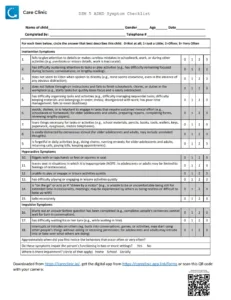
Besides the female ADHD test above, this printable ADHD screening test is a general DSM-5 symptom checklist. It is a questionnaire, not a diagnosis. It may help you consider whether to pursue a comprehensive professional assessment.
Interpreting an ADHD Screening Result
On this checklist, an answer of "Often" or "Very Often" scores 2 or 3. For adolescents and adults age 17 and older, a clinician may consider ADHD if 5 or more of the 9 inattentive items (1-9) or the 9 hyperactive-impulsive items (10-18) score 2 or 3.
For adults, a clinician considers whether symptoms began by age 12, impair functioning in at least two settings, and are not primarily due to another factor or condition. A rating scale alone does not diagnose ADHD. A health professional considers other information as part of an appropriate assessment.[7]
Treatment Options for Women with ADHD
Once diagnosed with ADHD, various treatment options can help manage symptoms and improve daily functioning. These options often include a combination of medication and therapy:
Medication and Therapy for ADHD
– Medication: Stimulant medications, such as methylphenidate and amphetamine, are commonly prescribed to manage the symptoms of ADHD. These medications help improve focus, reduce impulsivity, and regulate mood. However, it is crucial to consult with a healthcare professional to determine the most suitable medication and dosage for your specific needs.
– Therapy: Cognitive-behavioral therapy (CBT) can be highly beneficial for women with ADHD. CBT helps individuals develop effective coping strategies, improve time management skills, and address emotional challenges associated with ADHD.
Lifestyle Changes to Manage ADHD Symptoms
In addition to medication and therapy, adopting certain lifestyle changes can help effectively manage ADHD symptoms:
- Create a structured routine and stick to it
- Break tasks into smaller, manageable steps
- Use tools like calendars, reminders, and technology apps (like CareClinic) to enhance organization and time management
- Engage in regular exercise to promote focus and reduce restlessness
- Practice relaxation techniques, such as mindfulness or deep breathing exercises, to manage stress and anxiety
By incorporating these strategies into your daily life, you can effectively manage ADHD symptoms and improve your overall well-being.
It's important to note that while medication and therapy are commonly used to treat ADHD, there are also alternative approaches that some women find helpful. For example, some individuals may explore natural remedies, such as herbal supplements or dietary changes, to complement their treatment plan. However, it's essential to consult with a healthcare professional before incorporating any alternative treatments to ensure their safety and effectiveness.
Furthermore, it's worth mentioning that managing ADHD symptoms goes beyond the individual's efforts alone. Building a support network can be immensely beneficial. This network can include family members, friends, or support groups specifically tailored for individuals with ADHD. Connecting with others who share similar experiences can provide a sense of understanding, validation, and encouragement.
Additionally, it's important to remember that ADHD affects individuals differently, and treatment plans should be personalized to meet each person's unique needs. Regular communication with healthcare professionals, such as psychiatrists or therapists, is crucial to monitor progress, make necessary adjustments, and address any concerns that may arise throughout the treatment journey.
ADHD in women may present unique challenges, but with increased awareness and understanding, it can be effectively managed. Recognizing the distinct symptoms of ADHD in women, understanding the role of hormones, engaging in self-assessment, seeking professional diagnosis, and exploring various treatment options will empower women to navigate their ADHD journey with confidence and lead fulfilling lives.
Use the CareClinic App to Manage Adult ADHD
Embark on your journey to better manage ADHD with the CareClinic App. Designed to help you track symptoms, medications, and therapy progress, the app serves as a personal health assistant right at your fingertips. With features like medication reminders and mood tracking, CareClinic ensures you stay on top of your ADHD management plan. By consistently using the app, you can gain insights into patterns and triggers, helping you and your healthcare provider make informed decisions.
Download the CareClinic App Today
Take control of your ADHD by leveraging the CareClinic App's comprehensive diary and calendar functions to organize your daily tasks and routines. Understand the impact of hormonal fluctuations on your symptoms by tracking your menstrual cycle alongside your ADHD symptoms. The CareClinic App is not just a tool but a companion in your ADHD management, providing a structured approach to improve your overall well-being. Install the App today and experience the difference it can make in your health journey.
References
- "ADHD in Women: Symptoms, Diagnosis & Treatment". https://my.clevelandclinic.org/health/diseases/24741-adhd-in-women
- "ADHD Symptoms in Women: Misunderstood, Overlooked, Undertreated". https://www.additudemag.com/adhd-in-women-misunderstood-symptoms-treatment/
- "Reproductive Steroids and ADHD Symptoms Across the Menstrual Cycle – PMC". https://pmc.ncbi.nlm.nih.gov/articles/PMC5803442/
- "ADHD in Women Symptom Test – ADDitude". https://www.additudemag.com/quiz/adhd-in-women-symptom-test/
- "ADHD Symptoms in Women: Recognizing Signs of ADHD in Women". https://www.helpguide.org/mental-health/adhd/adhd-in-women
- "Symptoms | AADD-UK". https://aadduk.org/symptoms-diagnosis-treatment/symptoms/
- "Attention-Deficit/Hyperactivity Disorder (ADHD) - Pediatrics - Merck Manual Professional Edition". https://www.merckmanuals.com/professional/pediatrics/learning-and-developmental-disorders/attention-deficit-hyperactivity-disorder-adhd
- "Attention-Deficit/Hyperactivity Disorder (ADHD) - National Institute of Mental Health (NIMH)". https://www.nimh.nih.gov/health/topics/attention-deficit-hyperactivity-disorder-adhd
- "Attention-Deficit/Hyperactivity Disorder: What You Need to Know - National Institute of Mental Health (NIMH)". https://www.nimh.nih.gov/health/publications/attention-deficit-hyperactivity-disorder-what-you-need-to-know
- "Caring for adolescents and young adults with attention-deficit/hyperactivity disorder in primary care: seizing opportunities to address youth mental health needs - PubMed". https://pubmed.ncbi.nlm.nih.gov/35792652/
- "The positive aspects of attention deficit hyperactivity disorder: a qualitative investigation of successful adults with ADHD - PubMed". https://pubmed.ncbi.nlm.nih.gov/30374709/
- "A qualitative and quantitative study of self-reported positive characteristics of individuals with ADHD - PMC". https://pmc.ncbi.nlm.nih.gov/articles/PMC9597197/
- "Attention Deficit Hyperactivity Disorder | ADHD | MedlinePlus". https://medlineplus.gov/attentiondeficithyperactivitydisorder.html