
Care plans that guide you day by day
Each of these care plans pairs short daily lessons with the tracking that matters for your condition. Get started by selecting your plan.

HIV Management
Stay on top of treatment with medication tracking, lab results and lessons on adherence and immune health.

AFib Management
Keep your heart rhythm in check with heart rate, medication and symptom tracking, plus lessons on your triggers.

MCAS Management
Identify what sets off your symptoms and calm them with medication, diet and lifestyle strategies for mast cell activation syndrome.

Bipolar Disorder Support
Understand your mood patterns, prepare for episodes and build the support that keeps daily life steady.
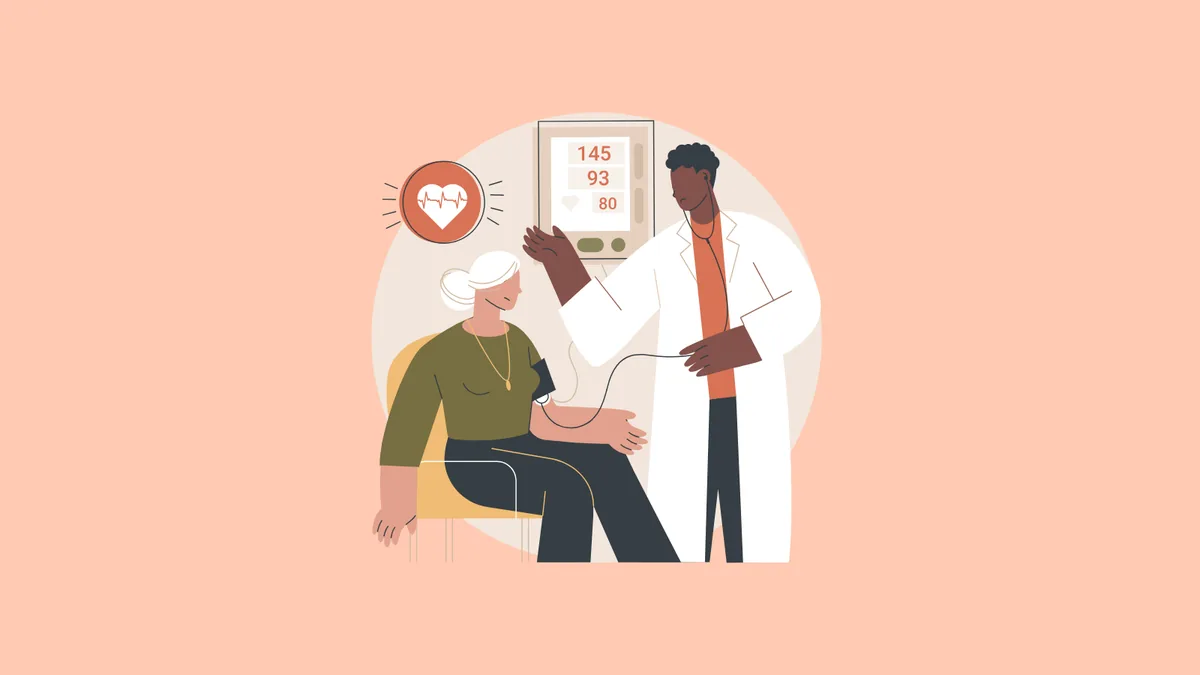
High Blood Pressure (Hypertension)
Bring your blood pressure down with practical lessons on diet, lifestyle and medication, and readings you can trust.
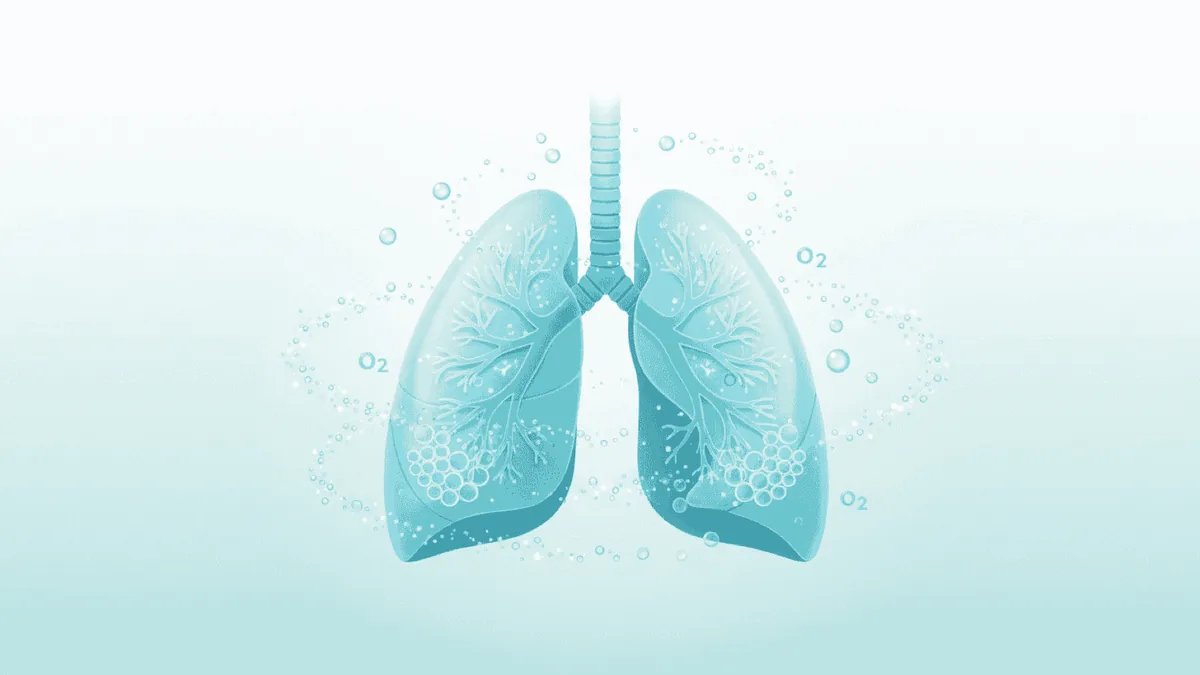
COPD Management
Breathe easier with breathing techniques, medication routines and daily tracking of symptoms, oxygen and triggers.

Type 2 Diabetes Management
Build the habits that steady your blood sugar, with lessons on food, activity and understanding your body's needs.

Anxiety and Mood Management
Find your anxiety triggers and practice calming skills, from breathing and journaling to nutrition, exercise and support.
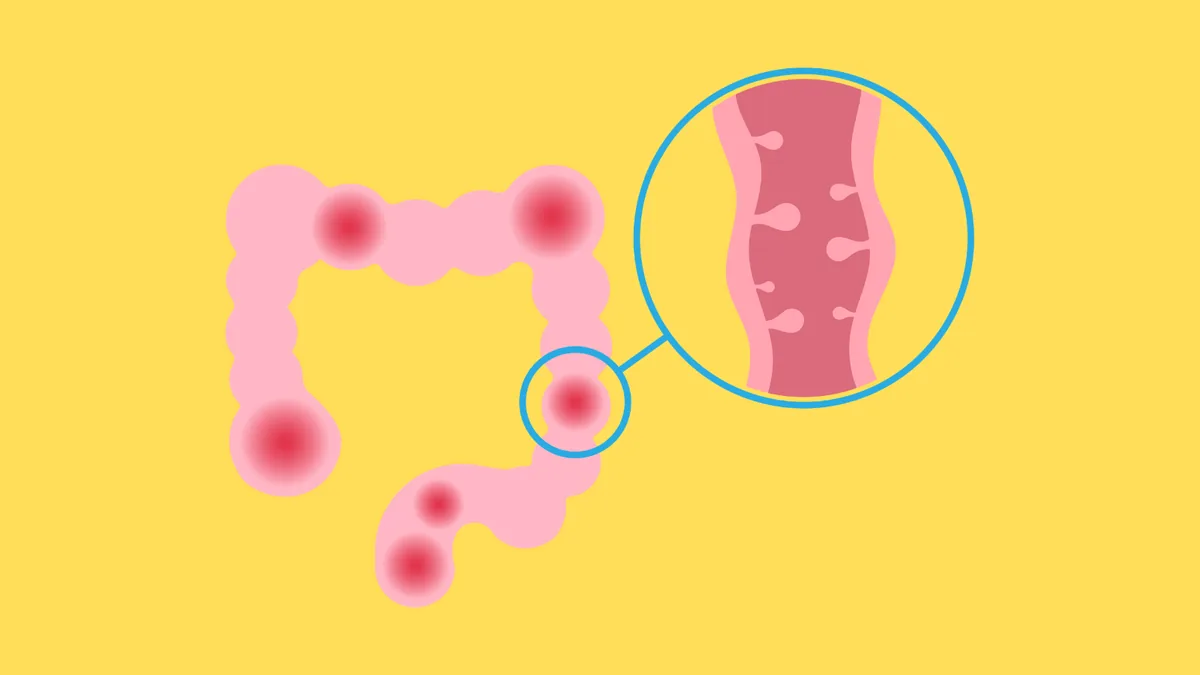
Crohn’s Disease Management
Find your triggers and adjust food and routines so everyday life with Crohn's feels more predictable.

Stress Care Plan
Lower everyday stress with breathing, mindfulness, healthy routines and a support system you can lean on.
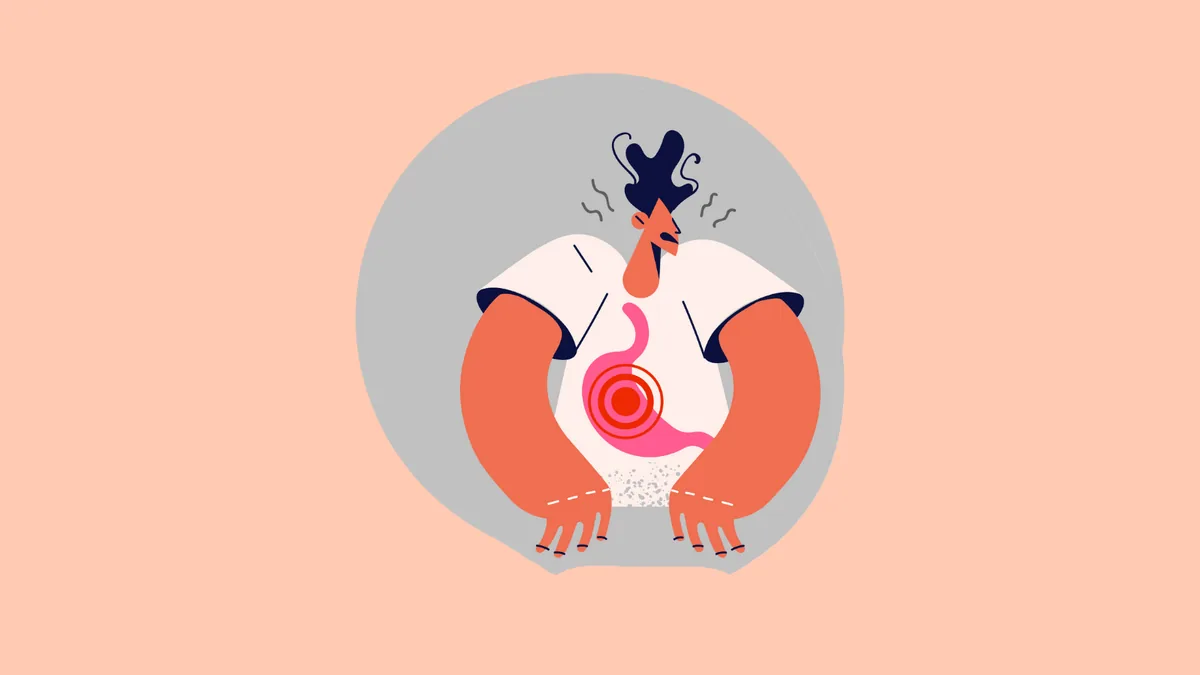
Indigestion and Heartburn
Ease heartburn and indigestion with food changes, stress management, home remedies and symptom tracking.
Eczema Care Plan
Reduce flare-ups with skin care routines, trigger tracking, nutrition tips and stress management.

Cholesterol & Lipid Management
Lower your numbers with steady medication habits, daily movement and the food swaps that make the biggest difference.

Alzheimer’s Disease Management
Build safer, calmer days with routines, medication tracking, communication tips and support for caregivers.

Parkinson’s Disease Plan
Track symptoms and medications, keep moving and plan for daily challenges with practical guidance for Parkinson's.

Insomnia Care Plan
Explore natural sleep aids and better habits, then track what actually improves your sleep.
Osteoarthritis Maintenance Plan
Keep your joints moving with the right exercise, pain management, joint protection and nutrition.

Allergies and Sensitivities Plan
Identify triggers, allergy-proof your space and track symptoms to find what brings lasting relief.

Vertigo Management
Understand your triggers and treatment options, and make daily adjustments that keep you steady.

Raynaud’s Disease Management
Spot early signs, stay warm and manage triggers and stress to protect your circulation.

Sinusitis Care Plan
Recognize and track symptoms, try home remedies that help and know when to see a specialist.
Hypoglycemia Care Plan
Recognize low blood sugar early, act fast and build routines that keep your levels steady.

Carpal Tunnel Syndrome Plan
Ease wrist pain with ergonomics, stretches, home remedies and a clear view of your treatment options.

Acne Rosacea Plan
Understand your triggers, build a gentle skin care routine and handle flares with more confidence.
Athlete’s Foot Support Plan
Clear up athlete’s foot and keep it from coming back with foot hygiene, treatment tips and the right footwear.
Hemorrhoids Care Plan
Ease hemorrhoid pain and flares with fiber, hydration, better toilet habits and symptom tracking.
More guided plans are in the CareClinic app.
Care plan questions
What is a care plan in CareClinic?
A care plan is a guided program for one condition or goal. You get one short lesson a day, paired with tracking for what matters, such as symptoms, medications or readings, so you build a routine and see how you are doing.
Are the care plans medically reviewed?
Yes. Every plan is medically reviewed by a licensed physician, and each plan shows its reviewer. Care plans support education and self-management. However, they are not a substitute for professional medical advice, diagnosis or treatment.
How do I share a care plan with a patient?
First, open the plan. Then tap Copy link or show the QR code for your patient to scan. The link only opens the plan preview, so it does not share any health records.
Do I need an account to start a plan?
Yes, and creating a CareClinic account is free. Sign in or sign up, then open the plan link again and tap Start.
Can clinicians submit a care plan to be listed?
Yes. Clinicians, clinics and patient organizations can submit a care plan for review. After that, each submitted plan is medically reviewed before it is listed in CareClinic. Contact us to submit yours.
Can I create and share my own care plans with patients?
Yes. With CareClinic for clinicians, you can build your own care plans and pathways and share them with your patients, who follow them in the CareClinic app.
Can I monitor my patients between visits?
Yes. With your patients' consent, the CareClinic preventative health platform shows what they log, such as symptoms, vitals, medications and goals, with adherence and outcomes reporting your team can review.
HIV Management
Stay on top of treatment with medication tracking, lab results and lessons on adherence and immune health.
Who it is for
Living with HIV and wanting a steady routine for treatment and check-ups.
Covers
ART adherence · CD4 and viral load · Vaccinations · Side effects · Sexual health and U=U
What's Inside
- 1Understanding HIV: Your Diagnosis ExplainedLearn the fundamentals of HIV.
- 2Antiretroviral Therapy: Your LifelineLearn about the medications that make HIV manageable.
- 3Medication Adherence: Why Every Dose CountsUnderstand why taking your ART consistently is critical, learn strategies for maintaining near-perfect adherence, and discover tools that make it easier.
- 4Understanding Your Lab ResultsLearn to interpret your CD4 count, viral load, and other key lab values.
- 5Preventing Opportunistic InfectionsLearn about the infections that can take advantage of a weakened immune system, how to prevent them, and when prophylactic medications are needed.
- 6Vaccinations and Immune ProtectionLearn which vaccines are recommended, which to avoid, and how to protect your immune system through preventive medicine.
- 7Nutrition and Exercise for Immune HealthLearn how proper nutrition and regular physical activity support your immune system, improve ART tolerability.
- 8Mental Health and Emotional Well-beingAddress the emotional impact of living with HIV.
- 9Sexual Health and U=UNavigate sexual health with HIV.
- 10Managing Side Effects of ARTLearn to identify, manage, and communicate about ART side effects.
- 11Substance Use and HIVUnderstand how alcohol, tobacco, and recreational drugs interact with HIV and ART, and learn about harm reduction and treatment resources.
- 12Building Your Support NetworkLearn how to build a strong support system.
- 13Long-Term Health: Monitoring and ScreeningBring it all together with a comprehensive long-term health strategy.
- 14Your HIV care routineReview adherence, monitoring, prevention, and the questions you want to carry forward.
Related care plans
AFib Management
Keep your heart rhythm in check with heart rate, medication and symptom tracking, plus lessons on your triggers.
Who it is for
Living with atrial fibrillation and wanting to see what affects your rhythm.
Covers
Blood thinners · Rate and rhythm control · Triggers · Heart monitoring · Sleep apnea
What's Inside
- 1Understanding Atrial Fibrillation: An OverviewLearn the fundamentals of AFib.
- 2Recognizing Symptoms: Your Heart's SignalsLearn to identify the full spectrum of AFib symptoms.
- 3Blood Thinners: Preventing StrokeUnderstand why anticoagulation is the most critical aspect of AFib treatment, compare the different blood thinners available, and learn how to take them safely.
- 4Rate and Rhythm Control MedicationsUnderstand the difference between rate control and rhythm control, learn about the medications used for each strategy.
- 5Procedures: Cardioversion, Ablation, and BeyondLearn about the procedures available to treat AFib.
- 6Identifying and Managing Your TriggersDiscover the common triggers that provoke AFib episodes and learn personalized strategies to avoid or minimize them through tracking and lifestyle modification.
- 7Exercise and Physical Activity with AFibLearn how to exercise safely and effectively with AFib.
- 8Diet and Nutrition for Heart HealthLearn which dietary patterns reduce AFib burden, how to manage medication-diet interactions, and practical strategies for heart-healthy eating.
- 9Sleep Apnea and AFib: The Hidden ConnectionDiscover why sleep apnea is present in up to 50% of AFib patients, how it worsens your heart rhythm.
- 10Stress Management and Mental HealthUnderstand how stress, anxiety, and depression affect your heart rhythm.
- 11Monitoring Your Heart: Devices and TrackingLearn about the devices available to monitor your heart rhythm.
- 12Living with AFib: Daily Life StrategiesPractical guidance for navigating everyday life with AFib.
- 13Long-Term Care: Working with Your Care TeamBring it all together with a comprehensive long-term management plan.
- 14Your AFib follow-up planReview rhythm symptoms, medicines, stroke prevention, and questions for your cardiology team.
MCAS Management
Identify what sets off your symptoms and calm them with medication, diet and lifestyle strategies for mast cell activation syndrome.
Who it is for
Living with mast cell activation syndrome and unpredictable reactions.
Covers
Trigger tracking · Symptom diary · Flare warning signs · Medications · Low-histamine eating
What's Inside
- 1Mastering MCAS: Understanding Triggers and SymptomsLearn to manage Mast Cell Activation Syndrome (MCAS) by learning what it is, how it affects you, and the most common triggers.
- 2Your Personalized Symptom Diary: Why Tracking MattersDiscover the importance of daily symptom and trigger tracking for MCAS.
- 3Decoding Potential Triggers: Food, Environment, and BeyondUncover how foods, environmental exposures, stress, and medications can trigger mast cell symptoms.
- 4Flare-Ups: Early Warning Signs and Self-ManagementLearn to recognize your early warning signs for MCAS flare-ups.
- 5Navigating Medical Appointments with ConfidenceGet the best from your healthcare visits by communicating your tracked symptoms, triggers, and treatment responses.
- 6Medication Management: Staying Organized and SafeReview prescribed and over-the-counter medications commonly used in MCAS.
- 7Stress and MCAS: Building Emotional ResilienceExplore the connection between stress and MCAS symptom flare-ups.
- 8Sleep, Rest, and Recovery: Your Essential AlliesUnderstand how poor sleep can worsen MCAS symptoms and how better rest speeds recovery.
- 9Connecting Flare Patterns: Recognizing Trends and TriggersLearn to use CareClinic’s reports to review your logged data and recognize patterns.
- 10Building Your Support Network for MCAS SuccessExplore the importance of social, family, and online support in living with MCAS.
- 11Nutrition Revisited: Safe Eating and Nutrient BalanceDeepen your understanding of low-histamine eating and anti-inflammatory nutrition with MCAS.
- 12Physical Activity: Moving Safely with MCASLearn which types of physical activity may be helpful or problematic for people with MCAS.
- 13Managing Setbacks: Coping with Bad DaysBad days happen—discover compassionate strategies for self-care during MCAS flares.
- 14Celebrating Wins: Building Confidence for Long-Term ControlClose out your two weeks by highlighting the improvements you’ve made: increased trigger awareness, better symptom tracking.
Related care plans
Bipolar Disorder Support
Understand your mood patterns, prepare for episodes and build the support that keeps daily life steady.
Who it is for
Living with bipolar disorder, or supporting someone who is.
Covers
Mood tracking · Manic and depressive episodes · Medications · Therapy options · Crisis plan
What's Inside
- 1Understanding Bipolar Disorder: Basics and BeyondLearn the fundamental aspects of Bipolar Disorder, including its types, symptoms, and triggers.
- 2Mood Tracking: Your Daily InsightDiscover the importance of mood tracking, how to do it effectively using CareClinic's tools, and how to interpret the patterns.
- 3Managing Manic Episodes: Strategies and TipsLearn practical techniques to manage manic episodes, including lifestyle adjustments, medication adherence, and stress reduction strategies.
- 4Navigating Depressive Episodes: Coping MechanismsExplore effective coping mechanisms for depressive episodes, such as engaging in physical activities, keeping a routine.
- 5Medication Management: Staying on TrackUnderstand the role of medication in managing Bipolar Disorder, the common types prescribed, and potential side effects.
- 6Therapy and Counseling: Finding the Right FitExplore various therapy options available for Bipolar Disorder, such as CBT, DBT, and psychoeducation.
- 7The Role of Diet and Exercise in Mental HealthDiscover how a balanced diet and regular exercise can positively impact your mood and overall mental health.
- 8Building a Support Network: Leaning on OthersLearn about the importance of building a solid support network of friends, family, and support groups.
- 9Identifying and Managing TriggersGain insight into common triggers for mood episodes and learn practical strategies for managing and avoiding them.
- 10Mindfulness and Relaxation TechniquesExplore various mindfulness and relaxation techniques such as meditation, deep breathing.
- 11Work-Life Balance: Managing Professional and Personal LifeUnderstand the importance of maintaining a work-life balance and get insights into managing professional responsibilities along with personal well-being.
- 12Emergency Preparedness: Crisis Management PlanEquip yourself with a crisis management plan for times when you may need immediate help.
- 13Advocating for Yourself: Communicating with Healthcare ProvidersLearn how to effectively communicate with your healthcare providers to advocate for your needs and preferences.
- 14Reflect and Recharge: Reviewing Your JourneyTake time to reflect on your progress and the knowledge you have gained.
Related care plans
High Blood Pressure (Hypertension)
Bring your blood pressure down with practical lessons on diet, lifestyle and medication, and readings you can trust.
Who it is for
Told your blood pressure is high and wanting a clear plan to lower it.
Covers
Home blood pressure readings · Medications · DASH diet · Sleep and stress · Preventing complications
What's Inside
- 1Introduction to Understanding High Blood PressureLearn what hypertension is, its causes and effects, and why managing it is crucial for your health.
- 2Monitoring Your Blood PressureLearn how to accurately measure your blood pressure at home.
- 3Understanding MedicationsExplore common medications used to treat high blood pressure.
- 4The Role of a Heart-Healthy DietA heart-healthy diet is crucial in managing high blood pressure.
- 5Introducing Physical ActivityPhysical activity plays a significant role in controlling blood pressure.
- 6Stress Management TechniquesStress can impact blood pressure, so learning to manage it is essential.
- 7The Importance of SleepQuality sleep is vital for maintaining healthy blood pressure.
- 8Limiting Alcohol and Quitting SmokingAlcohol and tobacco can negatively impact blood pressure.
- 9Hydration and High Blood PressureStaying hydrated is often overlooked but essential for managing blood pressure.
- 10Creating a Blood Pressure-Friendly EnvironmentYour surroundings can influence your health.
- 11Social Support and ConnectionHaving a strong support system helps in managing hypertension.
- 12Tracking Progress and Celebrating SuccessReflect on your journey so far.
- 13Preventing Hypertension-Related ComplicationsIt's essential to be aware of potential complications of hypertension and how to prevent them.
- 14Maintaining Long-Term Health and WellnessAs we conclude the care plan, let's discuss maintaining your health long-term.
COPD Management
Breathe easier with breathing techniques, medication routines and daily tracking of symptoms, oxygen and triggers.
Who it is for
Living with COPD and wanting fewer flare-ups.
Covers
Inhaler technique · Medications · Flare-up action plan · Oxygen and monitoring · Breathing exercises
What's Inside
- 1Understanding COPD: An OverviewLearn the fundamentals of Chronic Obstructive Pulmonary Disease.
- 2Recognizing Symptoms and Warning SignsLearn to identify the full range of COPD symptoms.
- 3Your COPD Medications: A Complete GuideA thorough guide to every type of COPD medication.
- 4Inhaler Techniques: Getting It RightUp to 90% of patients use their inhalers incorrectly.
- 5Breathing Exercises and Pulmonary RehabMaster evidence-based breathing techniques and learn how pulmonary rehabilitation can dramatically improve your exercise capacity, quality of life.
- 6Managing Exacerbations: Your Action PlanLearn to detect flare-ups early, respond decisively, and create a personalized action plan that can keep you out of the hospital.
- 7Oxygen Therapy and Monitoring DevicesUnderstand supplemental oxygen therapy, pulse oximetry, peak flow meters, and how to use monitoring devices to stay on top of your COPD.
- 8Lifestyle: Exercise for Lung HealthDiscover how regular physical activity.
- 9Nutrition and Diet for COPDLearn how the right foods fuel your breathing muscles, support immune function, and help manage COPD symptoms.
- 10Sleep and COPD: Getting Quality RestUnderstand why COPD disrupts sleep, learn about the overlap with sleep apnea, and discover strategies for getting the restorative rest your body needs.
- 11Smoking Cessation: The Most Important StepIf you still smoke, quitting is the single most impactful thing you can do for your COPD.
- 12Mental Health and Emotional Well-being with COPDDepression and anxiety affect up to 40% of COPD patients.
- 13Long-Term Management: Tracking and Follow-UpBring it all together with a comprehensive long-term management strategy.
- 14Your COPD action planReview symptoms, medicines, follow-up, and the personal thresholds supplied by your care team.
Related care plans
Type 2 Diabetes Management
Build the habits that steady your blood sugar, with lessons on food, activity and understanding your body's needs.
Who it is for
Living with type 2 diabetes, newly diagnosed or looking for a fresh start.
Covers
Blood sugar monitoring · Meal planning · Medications · A1C and lab numbers · Preventing complications
What's Inside
- 1Introduction to Type 2 Diabetes: Know Your ConditionExplore what Type 2 Diabetes really means.
- 2Blood Sugar Monitoring: Tools and TechniquesAccurate blood sugar monitoring is key.
- 3Nutrition Basics: Eating Well with Type 2 DiabetesNutrition impacts your blood sugar profoundly.
- 4Exercise and Physical Activity: Stay Active, Stay HealthyExercise can significantly improve your blood glucose control.
- 5Medication Management: Knowing Your OptionsGet to know the medications commonly prescribed for Type 2 Diabetes.
- 6Stress and Mental Health: Mind Over MatterStress can affect blood sugar levels.
- 7Preventing Complications: Eyes, Feet, and Heart HealthLong-term diabetes can affect various organs.
- 8Creating a Support System: You Are Not AloneSupport is crucial in managing diabetes.
- 9Understanding Your Numbers: A1C, Blood Pressure, and CholesterolInterpreting lab results can be confusing.
- 10Meal Tips and Recipes: From Planning to PlateEating well doesn’t have to be bland!
- 11Staying Motivated: Goals and Tracking ProgressConsistency is key to diabetes management.
- 12Traveling with Diabetes: Preparation and TipsTraveling with diabetes requires a bit of extra planning.
- 13Technology and Tools: Leveraging Apps and DevicesTechnology can be a great ally in managing diabetes.
- 14Looking Forward: Creating a Sustainable Diabetes Management PlanAs we conclude, it's time to create a long-term, sustainable diabetes management plan.
Related care plans
Anxiety and Mood Management
Find your anxiety triggers and practice calming skills, from breathing and journaling to nutrition, exercise and support.
Who it is for
Dealing with anxiety and low mood and wanting skills you can use every day.
Covers
Triggers · Breathing techniques · CBT techniques · Sleep · Medication options
What's Inside
- 1Understanding Anxiety: What You Need to KnowUnderstand what anxiety is.
- 2Identifying Your Triggers: A Deep DiveExplore identifying personal anxiety triggers.
- 3The Power of Mindfulness and MeditationMindfulness and meditation.
- 4Breathing Techniques for Immediate ReliefLearn effective breathing techniques to manage anxiety on the spot.
- 5Journaling: An Outlet for Your ThoughtsDiscover the benefits of journaling as a tool for managing anxiety.
- 6Building a Support SystemRecognize the importance of having a support system.
- 7Nutrition and Anxiety: The ConnectionExplore the connection between diet and anxiety.
- 8Exercise and Physical Activity for Better MoodUnderstand how physical activity can help in managing anxiety and improving mood.
- 9Healthy Sleep Habits for Anxiety ManagementLearn about the impact of sleep on anxiety and how to develop healthy sleep habits.
- 10Cognitive Behavioral Techniques: Changing Thought PatternsExplore Cognitive Behavioral Therapy (CBT) techniques that help in altering anxiety-inducing thought patterns.
- 11The Role of Medication in Anxiety ManagementGet acquainted with the various types of medications used to treat anxiety.
- 12Developing a Long-term Anxiety Management PlanPutting it all together!
- 13Review and Reflect: Recognizing Your ProgressTake a moment to review and reflect on your journey.
- 14Maintaining Momentum: Staying on TrackLearn strategies to maintain momentum and stay on track with your anxiety management plan.
Related care plans
Crohn’s Disease Management
Find your triggers and adjust food and routines so everyday life with Crohn's feels more predictable.
Who it is for
Managing Crohn's disease and wanting fewer surprises between appointments.
Covers
Flare triggers · Diet changes · Medications · Managing flare-ups · Stress
What's Inside
- 1Understanding Crohn’s Disease: The BasicsExplore what Crohn's Disease is, its symptoms, and how it affects your life.
- 2Identifying Your Triggers: Foods, Stress, and MoreLearn how to identify potential triggers for Crohn's flare-ups, including specific foods, stress, and lifestyle factors.
- 3Dietary Adjustments: What to Eat and AvoidExplore dietary adjustments that can help manage Crohn's Disease.
- 4Medications and Treatment OptionsGet detailed information about common medications used to treat Crohn's Disease, including their benefits and potential side effects.
- 5Managing Stress and Emotional Well-beingUnderstand the impact of stress on Crohn’s Disease.
- 6Exercise and Physical Activity: Finding Your BalanceLearn the importance of regular physical activity and how to integrate it into your routine safely.
- 7Navigating Social Situations and RelationshipsDealing with Crohn’s Disease in social situations can be challenging.
- 8Understanding and Managing Flare-UpsGain insights into recognizing the early signs of a Crohn’s flare-up and strategies for managing them.
- 9Long-term Lifestyle Changes for Better HealthFocus on making sustainable lifestyle changes that can improve your overall quality of life.
- 10Building Your Support NetworkExplore the importance of having a strong support network.
- 11Staying Informed: Research and ResourcesStay up-to-date with the latest research and resources on Crohn's Disease.
- 12Planning for the Future: Setting Long-term Health GoalsReflect on your journey and look ahead by setting long-term health goals.
- 13Review and Reflect: Your Crohn’s Management JourneyTake a moment to review and reflect on what you’ve learned throughout this plan.
Related care plans
Stress Care Plan
Lower everyday stress with breathing, mindfulness, healthy routines and a support system you can lean on.
Who it is for
Feeling stretched thin by work, family or health, and want practical ways to reset.
Covers
Mindfulness · Breathing techniques · Sleep · Time management · Setting boundaries
What's Inside
- 1Understanding Your StressUnderstand what stress is and how it affects your body and mind.
- 2The Power of MindfulnessDiscover how mindfulness can help manage stress.
- 3Breathing Techniques for Instant ReliefExplore various breathing techniques designed to help you relax and reduce stress on the spot.
- 4Exercise and Stress ReductionUnderstand the relationship between physical activity and stress relief.
- 5Healthy Eating for a Stress-Free LifeLearn how your diet can impact your stress levels.
- 6Building a Support SystemExplore the importance of having a strong support system to manage stress.
- 7Time Management and PrioritizationLearn effective time management strategies to reduce stress.
- 8The Role of Sleep in Stress ManagementUnderstand the critical connection between sleep and stress.
- 9Journaling for Stress ReliefDiscover how journaling can be a powerful tool for stress relief.
- 10Mindful Music and Sound TherapyExplore the benefits of music and sound therapy for stress relief.
- 11Creative Outlets for Stress ReductionTap into your creative side as a way to manage stress.
- 12Setting Boundaries and Saying NoLearn the importance of setting boundaries in your personal and professional life to manage stress.
- 13Positive Thinking and GratitudeDiscover how positive thinking and gratitude can transform your stress levels.
- 14Long-term Stress Management StrategiesWrap up your stress relief journey by consolidating everything you've learned.
Related care plans
Indigestion and Heartburn
Ease heartburn and indigestion with food changes, stress management, home remedies and symptom tracking.
Who it is for
Dealing with frequent heartburn, reflux or GERD symptoms.
Covers
Food triggers · Eating habits · Home remedies · Symptom tracking · When to seek care
What's Inside
- 1Understanding Your Digestive SystemExplore how your digestive system works and identify factors that contribute to indigestion and heartburn.
- 2Common Triggers of Heartburn and IndigestionLearn about common foods, habits, and lifestyle choices that can trigger heartburn and indigestion.
- 3The Role of Diet: Eating Habits for a Healthy GutExplore dietary changes that can alleviate heartburn and indigestion.
- 4Effective Home Remedies and Relief TechniquesDiscover effective home remedies and techniques to relieve heartburn and indigestion.
- 5Exercises and Activities to Support DigestionPhysical activity can greatly impact your digestive health.
- 6Identifying Stress-Related Digestive IssuesStress plays a significant role in digestive health.
- 7Medical Treatments and When to Seek HelpSometimes, medical intervention is necessary.
- 8Tracking Your Symptoms for Better ManagementLearn how to effectively track your symptoms using a symptom diary.
- 9Mindful Eating: How It Can HelpDiscover the benefits of mindful eating and how slowing down during meals can improve digestion and reduce symptoms of heartburn and indigestion.
- 10Long-Term Lifestyle Changes for Digestive HealthExplore long-term lifestyle adjustments that can support your digestive system and prevent future episodes of heartburn and indigestion.
- 11Supplements and Natural AidsGet an overview of natural supplements and aids that can support digestive health.
- 12Creating a Personal Action PlanConsolidate your learnings into a personalized action plan.
- 13Celebrating Your Progress and Next StepsReflect on your journey and celebrate the progress you’ve made.
- 14Ongoing Support and ResourcesExplore additional resources, support groups, and continuing education opportunities to stay informed about digestive health.
Related care plans
Eczema Care Plan
Reduce flare-ups with skin care routines, trigger tracking, nutrition tips and stress management.
Who it is for
Living with eczema and wanting calmer, healthier skin.
Covers
Triggers · Daily skin care · Prescribed treatments · Spotting infections · Symptom diary
What's Inside
- 1Understanding Eczema: What You Need to KnowRecognize the importance of identifying your unique triggers to manage flare-ups effectively.
- 2Identifying Your Eczema TriggersExplore the common triggers such as allergens, irritants, and stress.
- 3Daily Skin Care RoutineEstablish a consistent daily skin care routine to maintain moisture and reduce irritation.
- 4Hydration: The Key to Healthy SkinExplore the importance of staying hydrated for skin health.
- 5Stress Management TechniquesUnderstand the connection between stress and eczema flare-ups.
- 6Nutrition and Eczema: Eating Right for Your SkinLearn about the role of diet in managing eczema.
- 7Effective Use of Prescribed TreatmentsLearn how to use prescribed treatments such as topical steroids, antihistamines, and other medications effectively.
- 8Natural Remedies and Alternative TreatmentsDiscover natural remedies and alternative treatments that may help soothe eczema.
- 9Recognizing and Treating InfectionsEczema can sometimes lead to skin infections.
- 10Building a Support SystemBuilding a support system is crucial in managing eczema.
- 11Keeping a Symptom Tracking DiaryLearn the benefits of keeping a symptom tracking diary.
- 12Eczema and Mental HealthExplore the impact of eczema on mental health.
- 13Creating an Eczema-Friendly EnvironmentDiscover how to create an eczema-friendly environment at home and work.
- 14Reflecting on Your ProgressIt's time to reflect on your eczema care journey.
Related care plans
Cholesterol & Lipid Management
Lower your numbers with steady medication habits, daily movement and the food swaps that make the biggest difference.
Who it is for
Told your LDL or triglycerides are high, or starting a statin.
Covers
Reading a lipid panel · Statins and side effects · Retesting · Fats and soluble fibre · Exercise dose
What's Inside
- 1What Cholesterol Actually Is: A Plain ExplanationLDL, HDL and triglycerides explained without the jargon, and why your body genuinely needs cholesterol even though too much of the wrong kind quietly damages.
- 2Reading Your Lipid Panel: The Four Numbers ExplainedHow to read the numbers on your lab report, why your LDL is calculated rather than measured, what changes above 400 mg/dL of triglycerides.
- 3Your Cardiovascular Risk: Why Your Doctor Calculates ItWhy your risk number is worked out by your doctor and never by this app, which calculator Colombia actually uses and which two it sets aside.
- 4Statins: How They Work and What to Expect From ThemWhat a statin does inside your liver, what high and moderate intensity really mean, the percentage fall in LDL each one is expected to produce.
- 5Muscle Aches on a Statin: What to Do, and What Not ToWhat to do and what never to do if your muscles ache after starting a statin, the red flags that need same-day attention.
- 6Why the 8 Week Retest Matters More Than You ThinkThree international guidelines independently landed on the same follow-up window, and your plan uses 56 days because it sits inside all of them.
- 7Fats: Which to Cut, and Which to Swap In InsteadSaturated, unsaturated and trans fats explained without the chemistry, plus the swaps that move your numbers most.
- 8Soluble Fibre: Oats, Beans and Psyllium Every DayOne specific kind of fibre lowers cholesterol, and it works through a mechanism you can understand in two sentences.
- 9Plant Sterols: What the Evidence Actually ShowsPlant sterols reliably lower LDL by 7 to 10 percent, and no trial has ever shown they prevent heart attacks.
- 10Triglycerides, Alcohol and Sugar: The Fast MoversTriglycerides respond faster than LDL to what you eat and drink, which makes them the quickest number to improve.
- 11Movement That Moves Your Numbers: The Exercise DoseThe exercise prescription written specifically for cholesterol, which is not the same as the general activity advice you have already heard.
- 12Waist, Weight and Metabolic Syndrome: What CountsWhy a tape measure tells you something the scale cannot, how to measure your waist properly.
- 13When Cholesterol Travels With Diabetes and High Blood PressureMost people with high cholesterol have at least one of the other two.
- 14Making It Stick: Habits That Survive Past Week ThreeThe closing lesson, and the least inspiring one on purpose.
Alzheimer’s Disease Management
Build safer, calmer days with routines, medication tracking, communication tips and support for caregivers.
Who it is for
People living with Alzheimer's and the family members who care for them.
Covers
Daily routines · Medication management · Communication · Home safety · Caregiver support
What's Inside
- 1Understanding Alzheimer's: More Than Memory LossStart your journey by learning what Alzheimer’s disease really is, including its symptoms beyond memory loss.
- 2Daily Routine Optimization: Small Steps, Big ImpactExplore practical tips to establish a stable, comforting daily routine.
- 3Medication Management: Staying on TrackManaging medications effectively can be a challenge.
- 4Healthy Eating: Nourishing the Brain and BodyDiscover the role of nutrition in Alzheimer’s management.
- 5Engaging Activities: Keeping the Mind ActiveLearn about the importance of mental stimulation in Alzheimer's management.
- 6Emotional Well-Being: Stay PositiveUnderstand the emotional impacts of Alzheimer’s disease on both the patient and the caregivers.
- 7Effective Communication: Bridging the GapMaster the art of effective communication with loved ones affected by Alzheimer's.
- 8Physical Fitness: Moving Towards Better HealthExplore the benefits of regular physical activity.
- 9Sleep Hygiene: Restful Nights are PossibleDiscover the importance of good sleep hygiene in managing Alzheimer’s.
- 10Safety First: Creating a Safe Living SpaceLearn how to make your home safer for someone with Alzheimer's.
- 11Caring for the Caregiver: You Matter TooFocused on caregivers, this lesson emphasizes self-care strategies, managing caregiver stress, and preventing burnout.
- 12Future Planning: Preparing for What’s AheadDiscuss long-term planning, including legal and financial preparation.
- 13Utilizing Technology: Modern Tools for Better ManagementExplore how modern technology can aid in managing Alzheimer's.
- 14Reflect and Reassess: Looking Back on Your JourneyTake time to reflect on your progress over the past two weeks.
Related care plans
Parkinson’s Disease Plan
Track symptoms and medications, keep moving and plan for daily challenges with practical guidance for Parkinson's.
Who it is for
Living with Parkinson's disease, or caring for someone who is.
Covers
Symptom tracking · Medications · Exercise and therapy · Speech and communication · Daily activities
What's Inside
- 1Understanding Parkinson’s Disease: What You Need to KnowIntroduction to Parkinson’s Disease: causes, symptoms, and progression.
- 2Tracking Symptoms and Monitoring ProgressLearn how to effectively track your symptoms using the CareClinic App.
- 3Medications: What You Should KnowAn in-depth look at medications commonly prescribed for Parkinson’s Disease.
- 4Diet and Nutrition: Fueling Your Body RightExplore the role of diet and nutrition in managing Parkinson’s.
- 5Exercise and Physical Therapy: Keep MovingUnderstand the benefits of exercise and physical therapy in managing Parkinson’s Disease.
- 6Mental Health Matters: Coping StrategiesFocus on the mental and emotional aspects of living with Parkinson’s.
- 7Sleep and Parkinson’s: Getting Restful SleepDiscover how Parkinson’s Disease affects sleep and learn strategies for improving sleep quality.
- 8Speech and Communication: Enhancing SkillsExplore challenges related to speech and communication that are common in Parkinson’s Disease.
- 9Managing Daily Activities: Practical TipsGain practical advice on managing day-to-day activities with Parkinson’s Disease.
- 10Building a Support System: You Are Not AloneUnderstand the importance of having a strong support network.
- 11Exploring Advanced Treatments and ResearchStay informed about advanced treatments and ongoing research in the field of Parkinson’s Disease.
- 12Financial and Legal ConsiderationsPrepare for the financial and legal aspects of managing Parkinson’s Disease.
- 13Review and Reflect: Your Journey So FarTake time to review and reflect on your journey over the past weeks.
- 14Looking Forward: Maintaining MomentumLearn strategies for maintaining the progress you’ve made and staying motivated in managing Parkinson’s Disease.
Related care plans
Insomnia Care Plan
Explore natural sleep aids and better habits, then track what actually improves your sleep.
Who it is for
Struggling to fall or stay asleep and curious about natural options.
Covers
Melatonin and magnesium · Herbal sleep aids · Sleep habits · Tracking progress · Long-term sleep health
What's Inside
- 1Introduction to Insomnia and Natural AidsLearn about insomnia, its impact on health, and how natural supplements can help.
- 2Melatonin: Your Body's Sleep HormoneDiscover how melatonin works and its role in regulating your sleep-wake cycle.
- 3Valerian Root: Nature's TranquilizerExplore the sedative properties of valerian root and how it can aid in sleep.
- 4Chamomile: Calming and SoothingLearn about chamomile as a sleep aid.
- 5Lavender: Aromatherapy for Better SleepExplore the benefits of lavender, an aromatic herb known to improve sleep quality.
- 6Magnesium: Relaxing the Muscles and MindUnderstand the importance of magnesium in relaxation and sleep.
- 7Passionflower: Reducing Anxiety for Better SleepExplore how passionflower can help reduce anxiety and improve sleep quality.
- 8L-theanine: Relaxation Without DrowsinessDiscover the calming effects of L-theanine, an amino acid found in tea leaves.
- 9GABA: Balancing Brain Chemistry for SleepLearn about Gamma-Aminobutyric Acid (GABA) and its role in sleep regulation.
- 10Adaptogens: Rhodiola Rosea and AshwagandhaExplore the adaptogens Rhodiola Rosea and Ashwagandha, known for balancing stress hormones and improving sleep.
- 11Combining Supplements for Better ResultsLearn how to safely combine supplements for maximum benefit.
- 12Lifestyle Tips for Better SleepComplement your supplement regimen with lifestyle changes.
- 13Monitoring Progress and Making AdjustmentsLearn how to assess your progress and make necessary adjustments to your plan.
- 14Maintenance Plan and Long-term Sleep HealthWrapping up your journey, this lesson focuses on maintaining the gains you've made.
Related care plans
Osteoarthritis Maintenance Plan
Keep your joints moving with the right exercise, pain management, joint protection and nutrition.
Who it is for
Living with osteoarthritis and wanting less pain and better mobility.
Covers
Exercise balance · Pain management · Joint protection · Coping with flare-ups · Nutrition
What's Inside
- 1Understanding Osteoarthritis: The BasicsStart with the basics of osteoarthritis and how it affects your joints.
- 2Daily Activities: Do’s and Don’tsNavigating daily activities can be tricky with osteoarthritis.
- 3Nutrition and OsteoarthritisYour diet plays a crucial role in managing osteoarthritis.
- 4Exercise: Finding the Right BalanceExercise is vital but must be approached with care.
- 5Pain Management TechniquesManaging pain is a key aspect of living with osteoarthritis.
- 6Joint Protection StrategiesProtecting your joints is crucial for slowing the progression of osteoarthritis.
- 7Coping with Flare-UpsOsteoarthritis flare-ups can be challenging.
- 8Sleep and OsteoarthritisGood sleep is essential for overall health and well-being.
- 9Building a Support SystemYou’re not alone in your journey with osteoarthritis.
- 10Mindfulness and Mental HealthMental health is closely linked with physical well-being.
- 11Medication ManagementMedications are often part of osteoarthritis treatment.
- 12Regular Check-Ups: Staying On Top of Your HealthRegular medical appointments play a crucial role in managing osteoarthritis.
- 13Adapting Your EnvironmentYour surroundings can significantly affect your comfort and mobility.
- 14Celebrating Progress and Setting Future GoalsCongratulations on making it through this plan!
Related care plans
Allergies and Sensitivities Plan
Identify triggers, allergy-proof your space and track symptoms to find what brings lasting relief.
Who it is for
Dealing with seasonal, pet or everyday allergies and sensitivities.
Covers
Trigger tracking · Allergy-proofing · Medications · Seasonal allergies · Allergy testing
What's Inside
- 1Welcome to Your Allergy Management JourneyStart your journey by understanding what allergies and sensitivities are.
- 2Identifying Your Allergy TriggersExplore identifying your personal allergy triggers.
- 3Effective Allergy-Proofing TipsDiscover practical ways to minimize exposure to allergens in your home and workplace.
- 4Understanding Allergy MedicationsLearn about different types of allergy medications such as antihistamines, nasal sprays, and decongestants.
- 5Natural Remedies for Allergy ReliefExplore natural remedies and lifestyle changes that can help alleviate allergy symptoms.
- 6The Role of Diet in Allergy ManagementExamine how diet impacts your allergies.
- 7Creating an Allergy Action PlanDevelop a personalized allergy action plan.
- 8Mind-Body Techniques for Allergy ReliefLearn about the connection between stress and allergies.
- 9Managing Seasonal AllergiesGet tips for coping with seasonal allergies.
- 10Allergy-Friendly Travel TipsPlan ahead for your next trip with allergy considerations in mind.
- 11Pets and Allergies: Finding BalanceIf pets are a trigger, learn strategies to reduce pet dander in your home.
- 12Allergy Testing: What You Need to KnowUnderstand the different types of allergy tests available, such as skin tests and blood tests.
- 13Long-Term Allergy ManagementReflect on the progress you've made so far.
- 14Celebrating Your Success and Next StepsCelebrate the journey you've undertaken in managing your allergies.
Related care plans
Vertigo Management
Understand your triggers and treatment options, and make daily adjustments that keep you steady.
Who it is for
Living with dizziness or vertigo episodes.
Covers
Triggers · Treatment options · Exercise · Hydration and diet · Follow-up care
What's Inside
- 1Understanding Vertigo: What You Need to KnowLearn what vertigo is, its potential causes, and how it manifests.
- 2Identifying Triggers: Take ControlIdentify the triggers that exacerbate your vertigo symptoms.
- 3Medication and Treatment OptionsDiscover the variety of medications and treatments available for vertigo.
- 4Living Vertigo-Free: Daily Life AdjustmentsMake small, impactful adjustments in your daily life to manage vertigo better.
- 5Stay Active: Exercise and VertigoBeing active is important even with vertigo.
- 6Stress Management TechniquesStress can worsen vertigo, so let's delve into stress-reducing techniques.
- 7Diet and Nutrition: Foods to AvoidYour diet plays a crucial role in managing vertigo.
- 8Hydration: The Unsung HeroHydration is key in vertigo management.
- 9Sleep and Vertigo: A Symbiotic RelationshipQuality sleep is vital for vertigo sufferers.
- 10Environmental Modifications at HomeYour living environment can affect vertigo.
- 11Support Network: Don’t Do it AloneBuilding a support network can make a huge difference.
- 12Follow-Up and Check-In with Healthcare ProvidersRegular check-ins with your healthcare team are crucial.
- 13Exploring Alternative TherapiesAlternative therapies can complement vertigo management.
- 14Reflect and Plan: Your Roadmap ForwardCongratulations on completing this vertigo management program!
Related care plans
Raynaud’s Disease Management
Spot early signs, stay warm and manage triggers and stress to protect your circulation.
Who it is for
Living with Raynaud's and cold, color-changing fingers or toes.
Covers
Triggers and early signs · Staying warm · Stress management · Medical treatments · Seasonal planning
What's Inside
- 1Understanding Raynaud’s Disease: The BasicsUnderstand what Raynaud’s Disease is, its types, and what triggers an episode.
- 2Identifying Triggers and Early SignsIdentifying common triggers such as cold weather, stress, and certain medications.
- 3Practical Tips to Keep Warm and Manage SymptomsDiscover everyday tips to keep warm and manage Raynaud’s symptoms.
- 4Importance of Stress ManagementStress can significantly impact Raynaud’s.
- 5Dietary Changes and Nutritional SupportExplore how your diet can influence Raynaud’s.
- 6Physical Activity and Circulation BoostersPhysical activity can help improve circulation.
- 7Medication and Medical TreatmentsGet acquainted with the medical side of managing Raynaud’s.
- 8Using Biofeedback and Other TechniquesExplore alternative techniques like biofeedback to manage Raynaud’s.
- 9Monitoring Your Progress: Tracking Tools and AppsLearn the importance of tracking your condition over time.
- 10Dealing with Emotional and Social ImpactsChronic conditions can affect more than just physical health.
- 11Preparing for Seasonal ChangesSeasons can significantly impact Raynaud’s symptoms.
- 12Creating an Emergency Response PlanHaving a plan for unexpected episodes can provide peace of mind.
- 13Building a Support NetworkSupport is crucial in managing a chronic condition.
- 14Long-term Management and Lifestyle AdjustmentsAs we wrap up, we’ll discuss long-term strategies for managing Raynaud’s.
Sinusitis Care Plan
Recognize and track symptoms, try home remedies that help and know when to see a specialist.
Who it is for
Dealing with recurring or long-lasting sinus problems.
Covers
Symptom tracking · Home remedies · Medications · Allergies · When to see an ENT
What's Inside
- 1Understanding Sinusitis: What You're Dealing WithExplore what sinusitis is, including its causes, symptoms, and types.
- 2Recognizing Symptoms: Decoding Your Body's SignalsLearn to recognize and distinguish between common symptoms like nasal congestion, facial pain, and headaches.
- 3Diagnosing Sinusitis: From Self-Assessment to Doctor's VisitWalk through the diagnostic process.
- 4Home Remedies and Self-Care: Quick Relief TipsExplore simple, effective home remedies such as steam inhalation, saline nasal sprays, and warm compresses.
- 5Medication Management: Over-the-Counter and PrescriptionsA guide to the medications commonly prescribed for sinusitis.
- 6Diet and Nutrition: Foods That Help or HurtExplore the role diet can play in managing sinusitis.
- 7Hydration and Humidity: Keeping Your Sinuses MoistUnderstand why hydration and maintaining the right humidity levels are crucial.
- 8Physical Activity: Exercise and Sinus HealthDiscuss the importance of physical activity and its benefits for sinus health.
- 9Understanding Allergies: Their Role in SinusitisExplore how allergies can exacerbate sinusitis.
- 10Stress Management: Mindfulness and RelaxationLearn the connection between stress and sinusitis flare-ups.
- 11When to See a Specialist: ENT and Other ResourcesFind out when it's time to consult a specialist like an ENT (Ear, Nose, and Throat doctor).
- 12Track Your Progress: Monitoring and AdjustmentDiscover how to use tracking tools in CareClinic to monitor symptoms, treatments, and triggers.
- 13Long-term Management: Living Well with SinusitisLook at strategies for the long-term management of sinusitis.
- 14Your Personal Action Plan: Putting It All TogetherCreate a personalized action plan based on what you've learned.
Related care plans
Hypoglycemia Care Plan
Recognize low blood sugar early, act fast and build routines that keep your levels steady.
Who it is for
Experiencing low blood sugar episodes, with or without diabetes.
Covers
Recognizing symptoms · Emergency response · Meal planning · Exercise safety · Medications
What's Inside
- 1Understanding Hypoglycemia: The BasicsStart your journey by learning the fundamentals of hypoglycemia.
- 2Recognizing Symptoms: Know Your BodyBecome an expert at recognizing the symptoms of hypoglycemia.
- 3Emergency Responses: Acting FastLearn the steps to take during a hypoglycemic episode.
- 4Daily Management: Routine and RitualsBuild a daily routine to manage hypoglycemia effectively.
- 5Grocery Shopping: Making Smart ChoicesGet tips on grocery shopping with hypoglycemia in mind.
- 6Meal Planning: Balanced DietExplore different meal plans tailored for hypoglycemia.
- 7Exercise: Staying Active SafelyDiscover the importance of exercise in managing hypoglycemia.
- 8Stress Management: Mind and BodyUnderstand the link between stress and blood sugar levels.
- 9Sleep: Rest for RecoveryExplore the importance of sleep for hypoglycemia management.
- 10Building Your Support SystemIdentify the key people who can support you in managing hypoglycemia.
- 11Monitoring Progress: Track and AdjustDiscover the tools and techniques for monitoring your blood sugar levels effectively.
- 12Understanding Medications: Knowledge is PowerGet informed about the medications used to manage hypoglycemia.
- 13Emergency Preparations: Stay ReadyPrepare for potential hypoglycemia emergencies with a well-stocked kit and a clear plan.
- 14Reflect and Reinforce: Review Your JourneyTake time to reflect on what you've learned about managing hypoglycemia.
Related care plans
Carpal Tunnel Syndrome Plan
Ease wrist pain with ergonomics, stretches, home remedies and a clear view of your treatment options.
Who it is for
Living with numbness, tingling or pain from carpal tunnel syndrome.
Covers
Ergonomics · Stretching · Pain relief at home · Treatment options · Workplace changes
What's Inside
- 1Understanding Carpal Tunnel Syndrome: Basics You Need to KnowBegin by understanding what Carpal Tunnel Syndrome (CTS) is, its common symptoms like numbness, tingling, and pain in the hand and fingers.
- 2Recognizing the Symptoms: When to Seek HelpIdentifying early signs of CTS can lead to better management.
- 3Daily Habits to Reduce Strain: Ergonomics and PreventionChanging how we use our hands daily can reduce CTS discomfort.
- 4The Power of Stretching: Simple Exercises for ReliefExercises can ease and prevent CTS symptoms.
- 5Managing Pain at Home: Effective Remedies and TechniquesYou can manage pain from CTS with simple home remedies.
- 6Medical Treatments and Therapies: Exploring Your OptionsWhen home remedies aren’t enough, medical treatments might be needed.
- 7Surgical Interventions: What You Need to KnowIf conservative treatments fail, surgery may be recommended.
- 8Alternative Therapies: Exploring Non-Traditional TreatmentsExplore non-traditional treatments like acupuncture, yoga, and chiropractic care.
- 9Keeping Track: Monitoring Your Symptoms and ProgressTracking your symptoms helps in understanding what works best for you.
- 10Mind-Body Connection: Managing Stress and CTSStress can exacerbate CTS symptoms.
- 11Workplace Modifications: Creating a CTS-Friendly EnvironmentYour work environment plays a crucial role in CTS management.
- 12Nutritional Insights: Diet's Role in Inflammation and HealingNutrition can impact inflammation and healing.
- 13Building a Support System: Leaning on Family and FriendsHaving a strong support system is essential for managing CTS.
- 14Summary and Next Steps: Keeping up the MomentumCongratulations on completing the care plan!
Related care plans
Acne Rosacea Plan
Understand your triggers, build a gentle skin care routine and handle flares with more confidence.
Who it is for
Living with acne rosacea and frequent flushing or flares.
Covers
Triggers · Skin care routine · Diet · Treatments · Social confidence
What's Inside
- 1Understanding Your Acne RosaceaExplore what Acne Rosacea is, common symptoms, and triggers that make it worse.
- 2Identifying Your TriggersLearn about common triggers like stress, diet, weather, and skincare products.
- 3Building a Skincare RoutineDevelop a gentle and effective skincare routine tailored for acne rosacea.
- 4Healthy Diet for RosaceaDiscover how your diet impacts your rosacea.
- 5Stress Management TechniquesStress can be a major trigger for rosacea.
- 6Navigating Social SituationsFeeling self-conscious about rosacea?
- 7Weather and Environmental FactorsUnderstand how weather conditions like sun, wind, and cold affect your rosacea.
- 8Medications and TreatmentsExplore various medical treatments for rosacea including topical creams, oral medications, and laser therapy.
- 9Lifestyle Changes for Better SkinSmall lifestyle changes can have a big impact on managing rosacea.
- 10Review and ReflectTake a moment to review your progress.
- 11Emotional Wellness and RosaceaRosacea can take a toll on emotional wellness.
- 12Exploring Alternative TherapiesLearn about alternative therapies such as acupuncture, herbal remedies, and probiotics.
- 13Community and SupportConnect with others who understand what you’re going through.
- 14Long-Term ManagementPlan how to keep managing rosacea for the long term.
Related care plans
Athlete’s Foot Support Plan
Clear up athlete’s foot and keep it from coming back with foot hygiene, treatment tips and the right footwear.
Who it is for
Dealing with itchy, peeling skin on your feet or athlete’s foot that keeps returning.
Covers
Early signs · OTC treatments · Foot hygiene · Footwear · Preventing recurrence
What's Inside
- 1Understanding Athlete's Foot: What You Need to KnowUnderstand what Athlete's Foot is, its causes, common symptoms, and how it spreads.
- 2Early Signs and Symptoms: Catch It Before It WorsensRecognizing the early signs can prevent Athlete’s Foot from worsening.
- 3Effective Home Remedies: Natural Ways to Combat Athlete's FootLearn how to use home remedies to treat Athlete’s Foot.
- 4Over-the-Counter Treatments: What Works BestDiscuss effective over-the-counter (OTC) treatments.
- 5Proper Foot Hygiene: Essential Daily PracticesGood foot hygiene is crucial in managing Athlete’s Foot.
- 6Footwear Choices: Picking the Right Shoes and SocksA key to combating Athlete’s Foot is choosing the right footwear.
- 7Boosting Your Immune System: Diet and Lifestyle TipsA strong immune system can help fight infections like Athlete’s Foot.
- 8When to See a Doctor: Knowing When You Need Professional HelpUnderstand when it’s crucial to seek medical help.
- 9Managing Recurrence: Tips for Long-Term PreventionPrevent Reoccurrence!
- 10Self-Care and Mental Well-Being: Embrace a Holistic ApproachAthlete’s Foot can be a recurrent issue, affecting your well-being.
- 11Progress Review: Tracking Your Treatment JourneyReflect on your progress.
- 12Advanced Treatment Options: Exploring Prescription MedicationsFor persistent cases, advanced treatments might be necessary.
- 13Staying Consistent: Building and Maintaining Healthy HabitsConsistency is key to prevention.
- 14Completion Day: Your Path to Healthy FeetCongratulations on completing your Athlete’s Foot Support Plan!
Related care plans
Hemorrhoids Care Plan
Ease hemorrhoid pain and flares with fiber, hydration, better toilet habits and symptom tracking.
Who it is for
Dealing with hemorrhoid pain, itching or bleeding that keeps coming back.
Covers
Diet and fiber · Hydration · Toilet habits · Home and OTC relief · When to seek care
What's Inside
- 1Understanding Hemorrhoids: The BasicsLearn what hemorrhoids are, common symptoms, and potential causes.
- 2Recognizing Symptoms and When to Seek HelpIdentify common and less-obvious symptoms of hemorrhoids.
- 3Dietary Changes: Fueling Your Body RightDiscover dietary adjustments that can alleviate hemorrhoid symptoms.
- 4Hydration: Your Best FriendThe importance of staying well-hydrated can't be overstated.
- 5Effective Toileting PracticesOften overlooked, proper toileting habits can prevent and alleviate hemorrhoid symptoms.
- 6Over-the-Counter (OTC) Treatments ExplainedExplore various OTC treatments available for hemorrhoid relief.
- 7Home Remedies and Comfort MeasuresSometimes, simple home remedies can provide significant relief.
- 8Exercise: Moving Towards ReliefLearn about the types of exercises that can alleviate hemorrhoid symptoms by improving circulation and preventing constipation.
- 9Stress Management TechniquesYour mental well-being impacts your physical health.
- 10Identifying Triggers to avoid FlaringUnderstand the common triggers of hemorrhoid flare-ups.
- 11Tracking Your Progress and SymptomsRegular tracking can provide insights into your condition and help with better management.
- 12When Symptoms Persist: Professional Treatments ExplainedSometimes, professional treatments are necessary.
- 13Building a Support SystemHaving a support system can make a significant difference.
- 14Maintaining Long-term Well-beingCongratulations on making it this far!