
Care plans that guide you day by day
Each of these care plans pairs short daily lessons with the tracking that matters for your condition. Get started by selecting your plan.

HIV Management
Stay on top of treatment with medication tracking, lab results and lessons on adherence and immune health.

AFib Management
Keep your heart rhythm in check with heart rate, medication and symptom tracking, plus lessons on your triggers.

MCAS Management
Identify what sets off your symptoms and calm them with medication, diet and lifestyle strategies for mast cell activation syndrome.

Bipolar Disorder Support
Understand your mood patterns, prepare for episodes and build the support that keeps daily life steady.
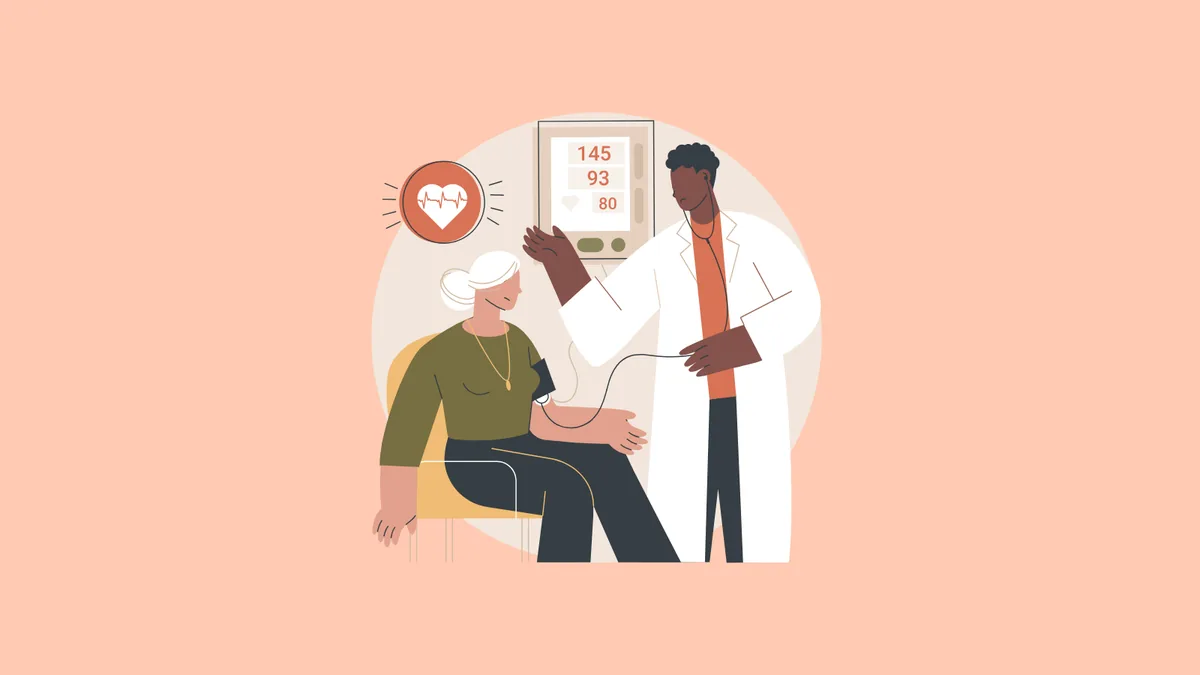
High Blood Pressure (Hypertension)
Bring your blood pressure down with practical lessons on diet, lifestyle and medication, and readings you can trust.
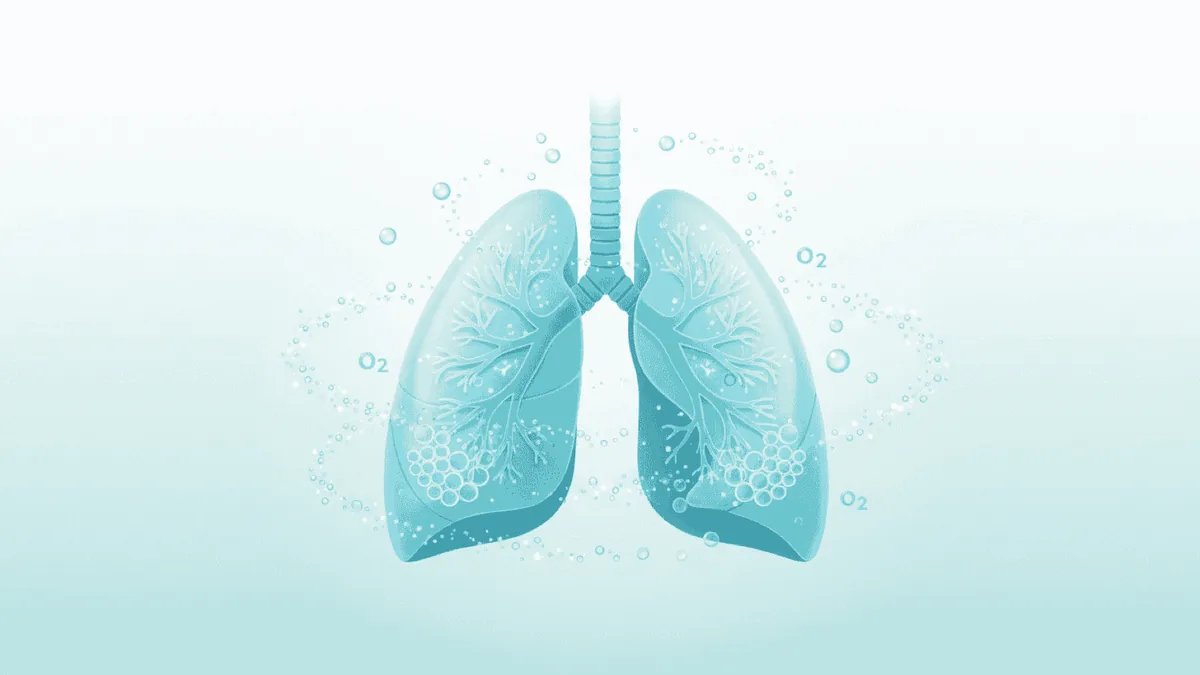
COPD Management
Breathe easier with breathing techniques, medication routines and daily tracking of symptoms, oxygen and triggers.
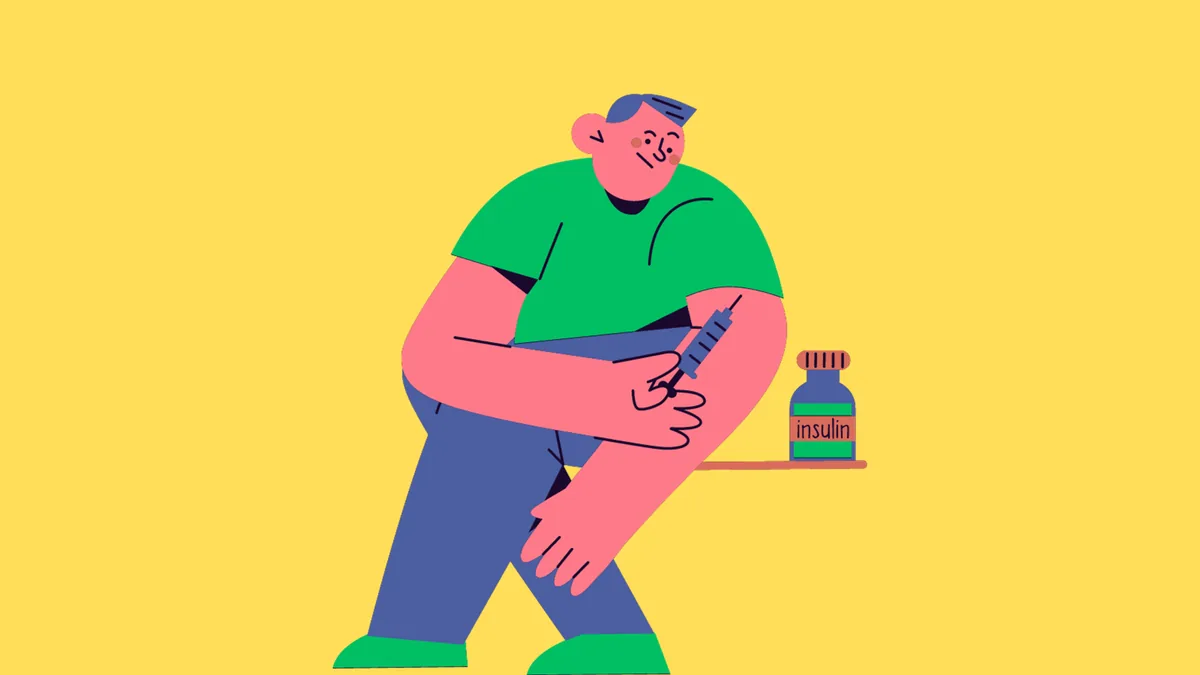
Type 2 Diabetes Management
Build the habits that steady your blood sugar, with lessons on food, activity and understanding your body's needs.

Anxiety and Mood Management
Find your anxiety triggers and practice calming skills, from breathing and journaling to nutrition, exercise and support.
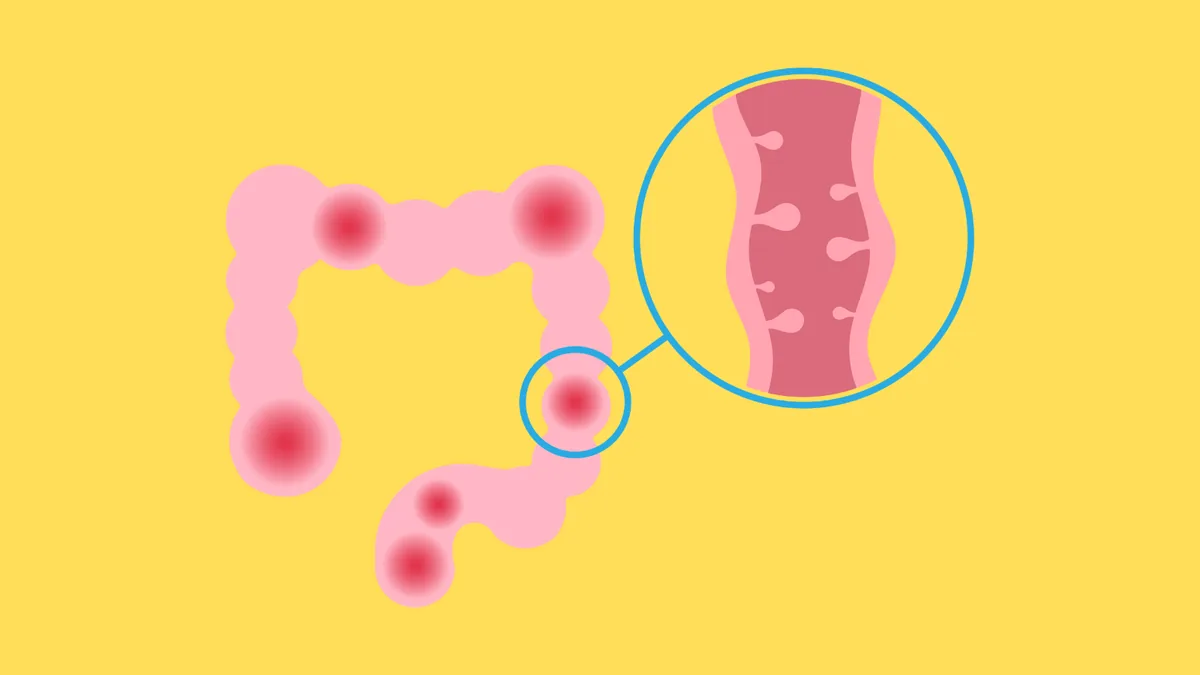
Crohn’s Disease Management
Find your triggers and adjust food and routines so everyday life with Crohn's feels more predictable.
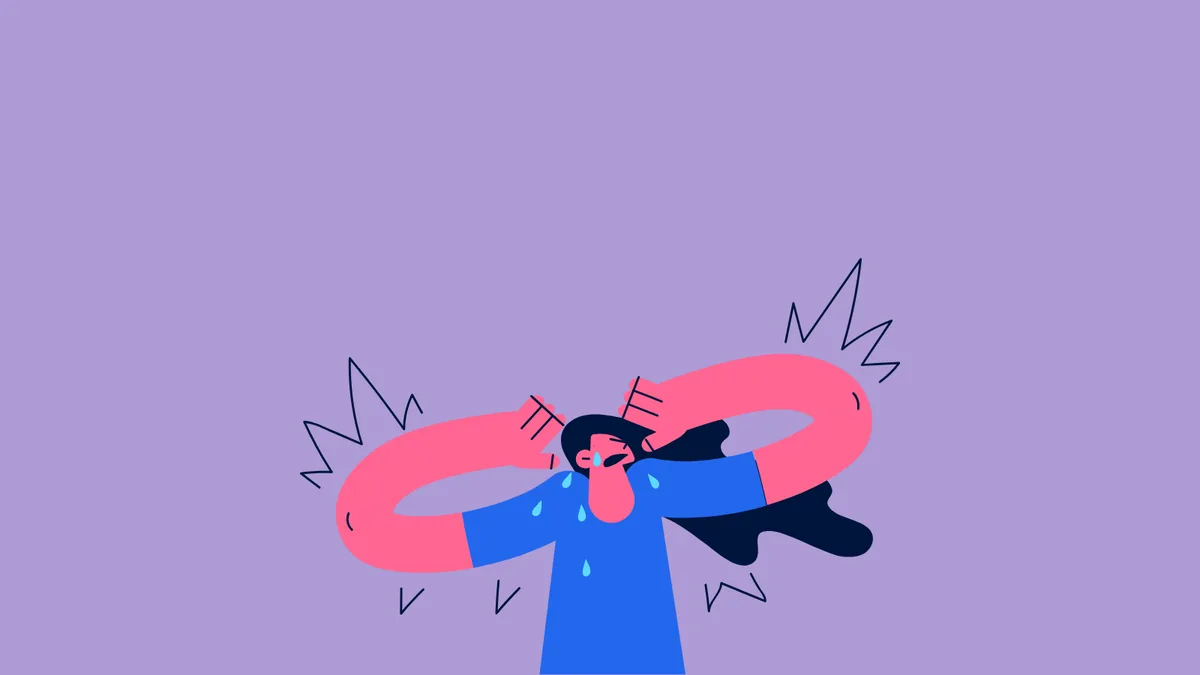
Stress Care Plan
Lower everyday stress with breathing, mindfulness, healthy routines and a support system you can lean on.
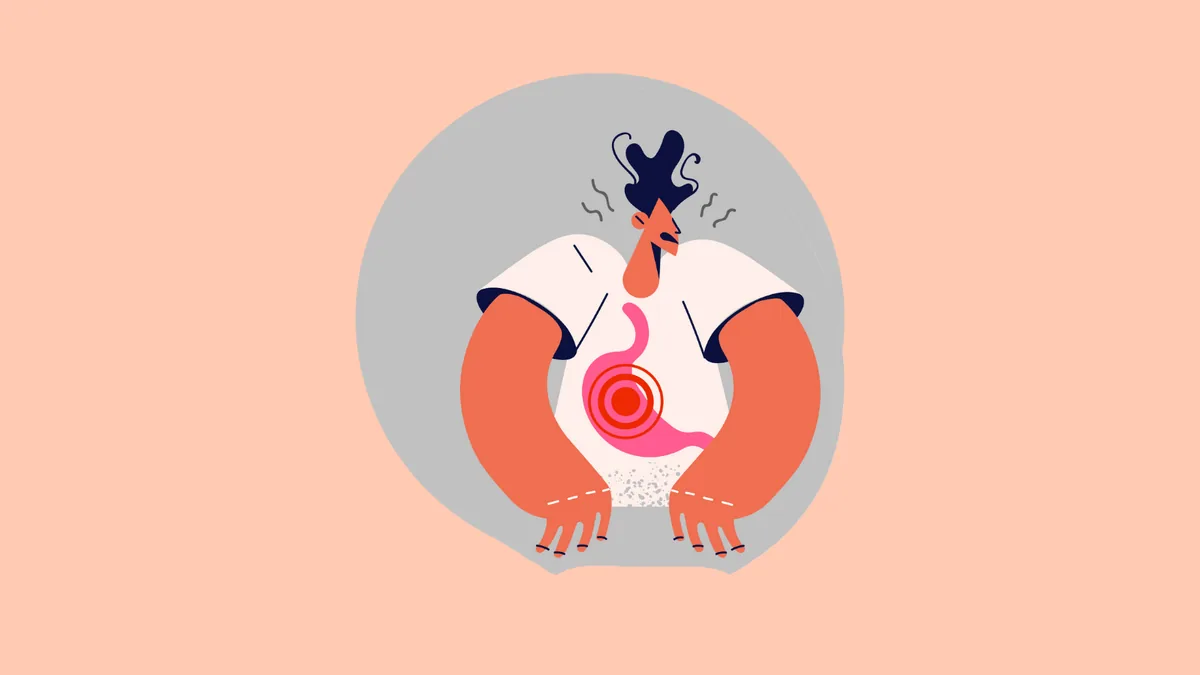
Indigestion and Heartburn
Ease heartburn and indigestion with food changes, stress management, home remedies and symptom tracking.
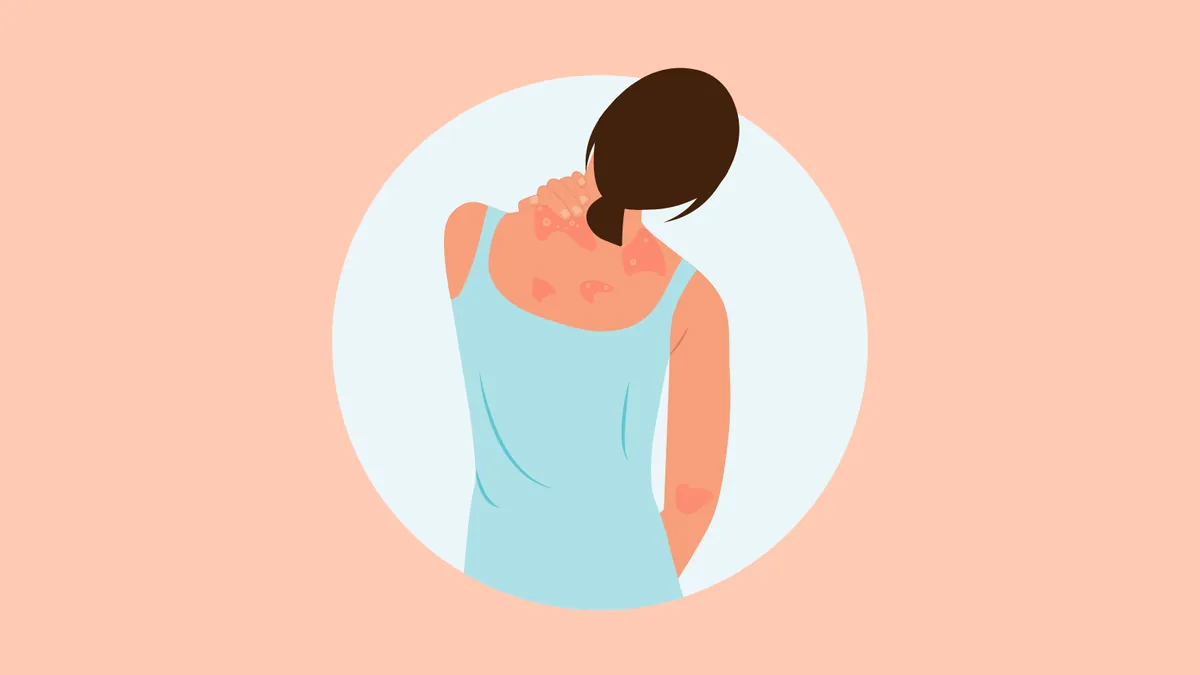
Eczema Care Plan
Reduce flare-ups with skin care routines, trigger tracking, nutrition tips and stress management.
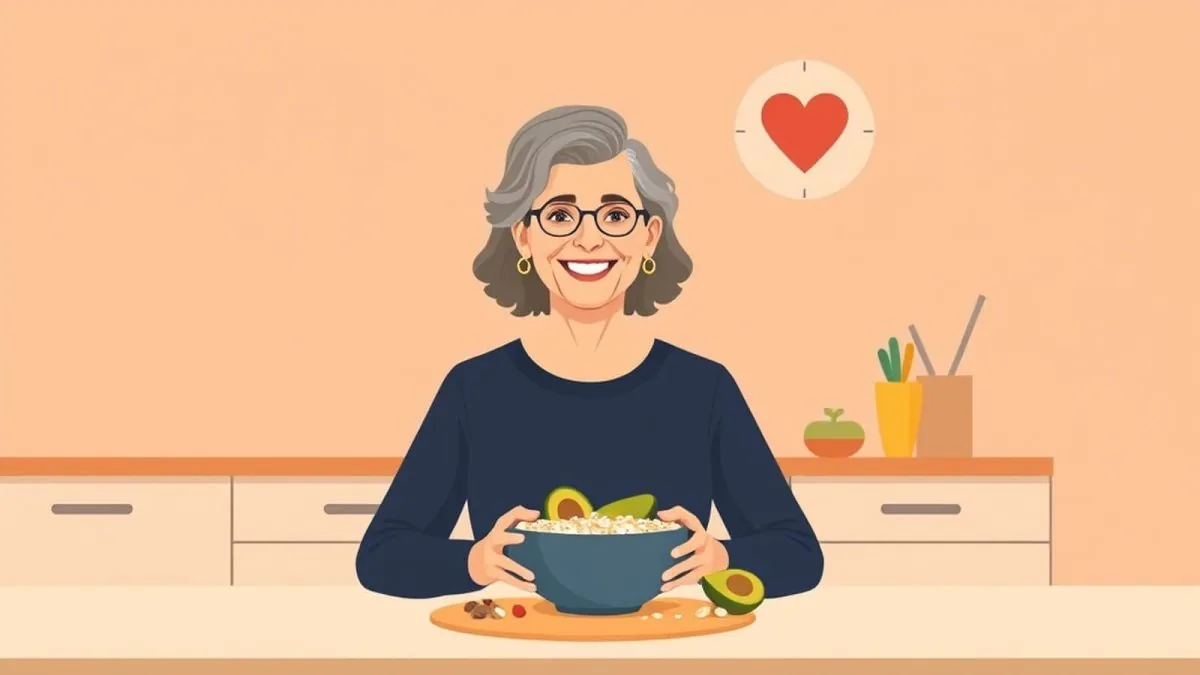
Cholesterol & Lipid Management
Lower your numbers with steady medication habits, daily movement and the food swaps that make the biggest difference.

Alzheimer’s Disease Management
Build safer, calmer days with routines, medication tracking, communication tips and support for caregivers.
Parkinson’s Disease Plan
Track symptoms and medications, keep moving and plan for daily challenges with practical guidance for Parkinson's.

Insomnia Care Plan
Explore natural sleep aids and better habits, then track what actually improves your sleep.
Osteoarthritis Maintenance Plan
Keep your joints moving with the right exercise, pain management, joint protection and nutrition.

Allergies and Sensitivities Plan
Identify triggers, allergy-proof your space and track symptoms to find what brings lasting relief.

Vertigo Management
Understand your triggers and treatment options, and make daily adjustments that keep you steady.

Raynaud’s Disease Management
Spot early signs, stay warm and manage triggers and stress to protect your circulation.
Sinusitis Care Plan
Recognize and track symptoms, try home remedies that help and know when to see a specialist.
Hypoglycemia Care Plan
Recognize low blood sugar early, act fast and build routines that keep your levels steady.
Carpal Tunnel Syndrome Plan
Ease wrist pain with ergonomics, stretches, home remedies and a clear view of your treatment options.
Acne Rosacea Plan
Understand your triggers, build a gentle skin care routine and handle flares with more confidence.
Athlete’s Foot Support Plan
Clear up athlete’s foot and keep it from coming back with foot hygiene, treatment tips and the right footwear.
Hemorrhoids Care Plan
Ease hemorrhoid pain and flares with fiber, hydration, better toilet habits and symptom tracking.
More guided plans are in the CareClinic app.
Care plan questions
What is a care plan in CareClinic?
A care plan is a guided program for one condition or goal. You get one short lesson a day, paired with tracking for what matters, such as symptoms, medications or readings, so you build a routine and see how you are doing.
Are the care plans medically reviewed?
Yes. Every plan is medically reviewed by a licensed physician, and each plan shows its reviewer. Care plans support education and self-management. However, they are not a substitute for professional medical advice, diagnosis or treatment.
How do I share a care plan with a patient?
First, open the plan. Then tap Copy link or show the QR code for your patient to scan. The link only opens the plan preview, so it does not share any health records.
Do I need an account to start a plan?
Yes, and creating a CareClinic account is free. Sign in or sign up, then open the plan link again and tap Start.
Can clinicians submit a care plan to be listed?
Yes. Clinicians, clinics and patient organizations can submit a care plan for review. After that, each submitted plan is medically reviewed before it is listed in CareClinic. Contact us to submit yours.
Can I create and share my own care plans with patients?
Yes. With CareClinic for clinicians, you can build your own care plans and pathways and share them with your patients, who follow them in the CareClinic app.
Can I monitor my patients between visits?
Yes. With your patients' consent, the CareClinic preventative health platform shows what they log, such as symptoms, vitals, medications and goals, with adherence and outcomes reporting your team can review.
Acne Rosacea Plan
Understand your triggers, build a gentle skin care routine and handle flares with more confidence.
Who it is for
Living with acne rosacea and frequent flushing or flares.
Covers
Triggers · Skin care routine · Diet · Treatments · Social confidence
What's Inside
- 1Understanding Your Acne RosaceaExplore what Acne Rosacea is, common symptoms, and triggers that make it worse.
- 2Identifying Your TriggersLearn about common triggers like stress, diet, weather, and skincare products.
- 3Building a Skincare RoutineDevelop a gentle and effective skincare routine tailored for acne rosacea.
- 4Healthy Diet for RosaceaDiscover how your diet impacts your rosacea.
- 5Stress Management TechniquesStress can be a major trigger for rosacea.
- 6Navigating Social SituationsFeeling self-conscious about rosacea?
- 7Weather and Environmental FactorsUnderstand how weather conditions like sun, wind, and cold affect your rosacea.
- 8Medications and TreatmentsExplore various medical treatments for rosacea including topical creams, oral medications, and laser therapy.
- 9Lifestyle Changes for Better SkinSmall lifestyle changes can have a big impact on managing rosacea.
- 10Review and ReflectTake a moment to review your progress.
- 11Emotional Wellness and RosaceaRosacea can take a toll on emotional wellness.
- 12Exploring Alternative TherapiesLearn about alternative therapies such as acupuncture, herbal remedies, and probiotics.
- 13Community and SupportConnect with others who understand what you’re going through.
- 14Long-Term ManagementPlan how to keep managing rosacea for the long term.