

Therapeutic journaling and expressive journaling use writing to explore thoughts, emotions, and experiences. Therapeutic journaling may be structured around a goal, prompt, or treatment plan. Expressive journaling is often more open-ended and focuses on writing honestly about what feels important.
Writing can support reflection and emotional processing, but it does not replace psychotherapy, medical care, or crisis support. The best approach is one that feels manageable, respects privacy, and can be paused when writing increases distress.
What Is Therapeutic Journaling and Expressive Journaling?
Therapeutic writing creates a private record of experiences, thoughts, physical sensations, and emotions. It can help a person slow down, identify patterns, and prepare topics to discuss with a qualified professional.

How Expressive Journaling Works
Expressive journaling is not primarily about grammar or polished storytelling. It gives the writer room to describe what happened, how it felt, what meaning they assigned to it, and what they notice now. The goal is observation and expression, not forcing a positive conclusion.
How Therapeutic Journaling Is Structured
A therapeutic journal may use prompts, timed writing, symptom or mood ratings, treatment notes, and follow-up questions. A therapist may suggest a format that fits the person’s needs. A journal can support therapy, but it should not be described as therapy by itself.

Potential Benefits of Journaling
Research suggests that expressive writing may help some people organize difficult experiences, gain perspective, and reduce distress. Effects vary. Journaling is not guaranteed to improve a medical condition, prevent a mental health disorder, strengthen immunity, or speed recovery.
Emotional Processing
Putting feelings into words can make them easier to examine. A person may notice triggers, recurring themes, or differences between what happened and what they assumed it meant.
Self-Discovery and Personal Growth
Reviewing entries over time can reveal values, goals, boundaries, and repeated patterns. This record can help a person decide what they want to change and recognize progress that might otherwise be overlooked.
Mental Clarity
Writing can move competing thoughts onto the page, where they can be sorted into concerns, facts, questions, and possible next steps. This may make it easier to prepare for a conversation or make a decision.

Expressive and Therapeutic Journaling for Emotional Release
Start with a specific moment rather than trying to explain an entire period of life. Describe the event, the emotions that appeared, physical sensations, and what you needed at the time. You can then write what you understand differently now.
Do not force yourself to revisit traumatic material. If a topic feels overwhelming, choose something less intense, shorten the session, use a grounding exercise, or stop. A therapist can help determine whether trauma-focused writing is appropriate.
Therapeutic Journaling Techniques
Freewriting
Set a short timer and write continuously without editing. If you get stuck, write what you notice in the moment. The entry can remain private and does not need to be shared.
Prompted Writing
Therapeutic journaling prompts use one clear question, such as “What emotion is strongest right now?”, “What do I need?”, or “What is within my control?” More ideas are available in these mental health journaling prompts.
Letters You Do Not Send
Write a letter to yourself, another person, or a past or future version of yourself. This can create space for words that are difficult to say aloud. Decide carefully whether sharing the letter would be safe or useful.
Mood and Pattern Logs
Alongside an entry, record mood, sleep, symptoms, stress, medication, and important events. This structure can help distinguish a single difficult day from a repeated pattern.
Gratitude and Positive Events
Recording something appreciated or meaningful can be useful, but it should not be used to dismiss grief, anger, fear, or another valid emotion.
More Therapeutic Journaling Prompts
Not everyone is born with the capacity to write and it can be especially difficult to express your own feelings and thoughts on paper. For those of us who are going through such a hard time, there are therapeutic journaling prompts that can be used.
For instance, if you do not know how to start, you can take a photograph of someone you lost or an event that marked you, and go from there. You might also opt for timed journal entries, deciding on a particular topic and setting a timer for 10 minutes.
You can start your sentences with specific beginnings, talking about the things that worry you the most, the reasons for which you are not sleeping well or commemorate your happiest memories. Some people find it helpful to organize lists, including things that make them sad, happy, reasons for which they are grateful to wake up in the morning or activities they enjoy.
How to Build a Consistent Practice
- Choose a private format and a place where you are unlikely to be interrupted.
- Begin with a few manageable minutes instead of an ambitious daily target.
- Use one prompt when a blank page feels difficult.
- Review older entries only when doing so feels useful and safe.
- Missed days do not erase progress. Restart without trying to catch up.
When Journaling Feels Difficult
Journaling can temporarily increase sadness, anxiety, anger, or physical tension. Pause when distress keeps rising, grounding becomes difficult, or writing disrupts daily functioning. Try slow breathing, notice the room around you, move to a neutral activity, or contact someone you trust.
If writing brings up severe distress, panic, thoughts of self-harm, or concern about immediate safety, stop the exercise and seek qualified help. Contact local emergency services or a crisis service when there is immediate danger.
Using CareClinic for Therapeutic Journaling
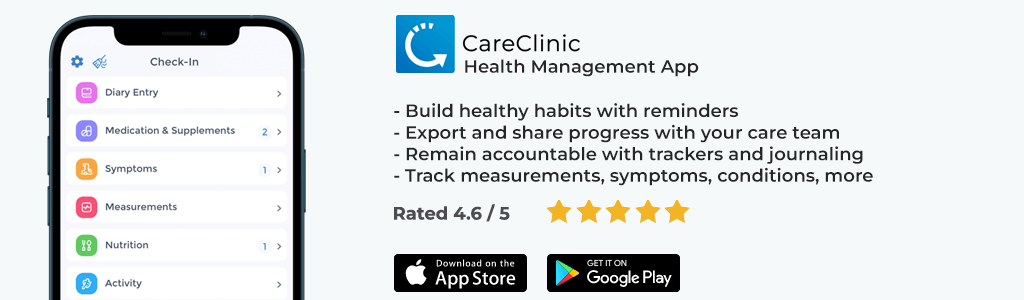
CareClinic can keep journal entries beside mood, symptoms, treatments, sleep, activities, and other health information. Prompts and reminders can support a routine, while reports can help identify patterns to discuss with a therapist or clinician.

- Write a private diary entry or respond to a prompt.
- Record mood, symptoms, and factors that provide context.
- Set a gentle reminder for the schedule you choose.
- Review trends and share only the information you want to discuss.
Start a therapeutic and expressive journal in CareClinic.
Additional research and reporting by Faye D. M..
References
- US Department of Veterans Affairs: Therapeutic journaling
- Narrating to regulate anger and sadness
- Harvard Health: Writing about emotions
- Expressive writing and health outcomes
