
Living with multiple sclerosis (MS) can be challenging, but with the right self-care strategies, you can take control of your health and enhance your well-being. In this ultimate guide, we will explore the importance of self-care in managing multiple sclerosis and provide practical tips for integrating self-care into your daily routine.[1][2][3][4]
Understanding Multiple Sclerosis
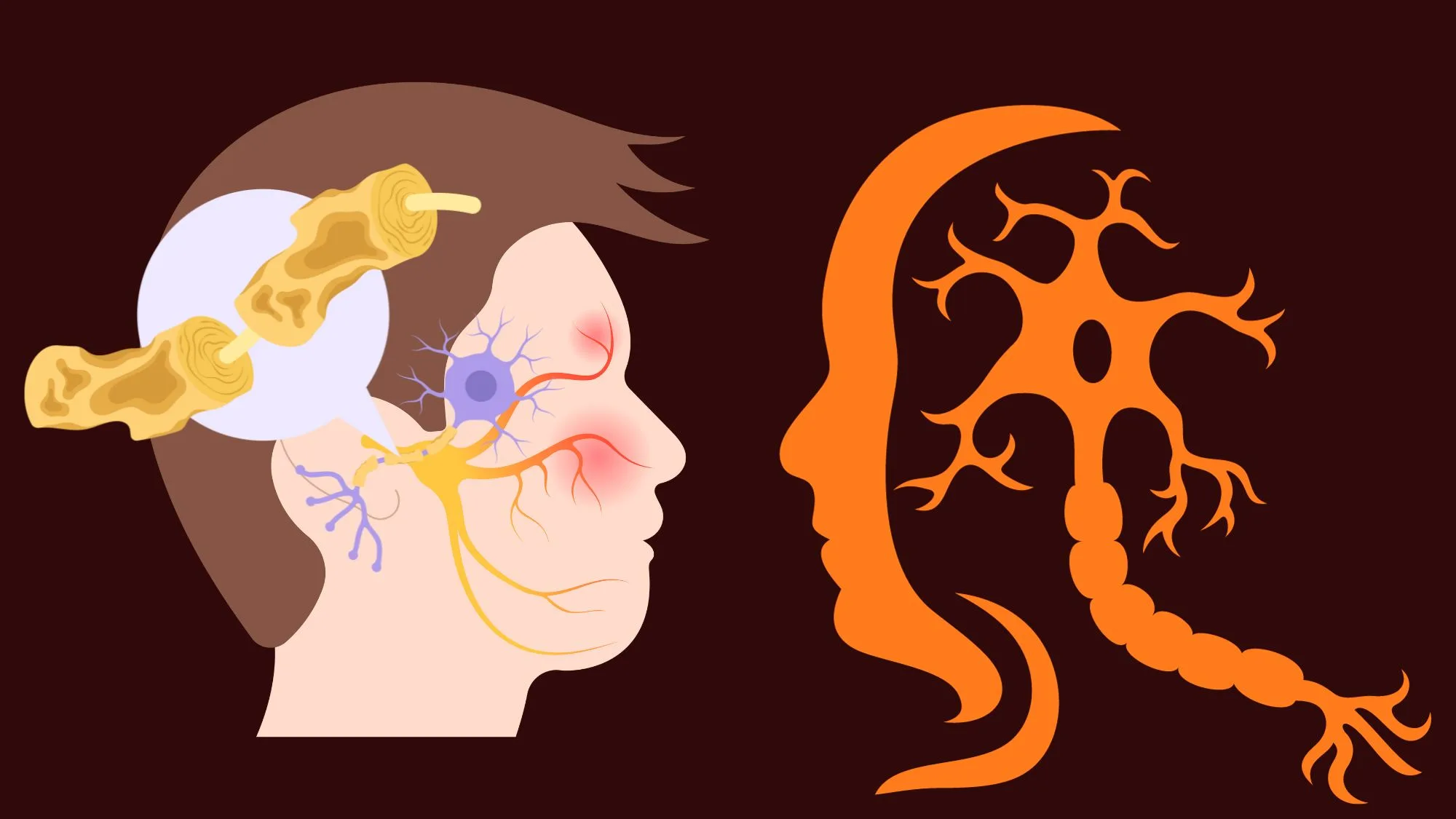
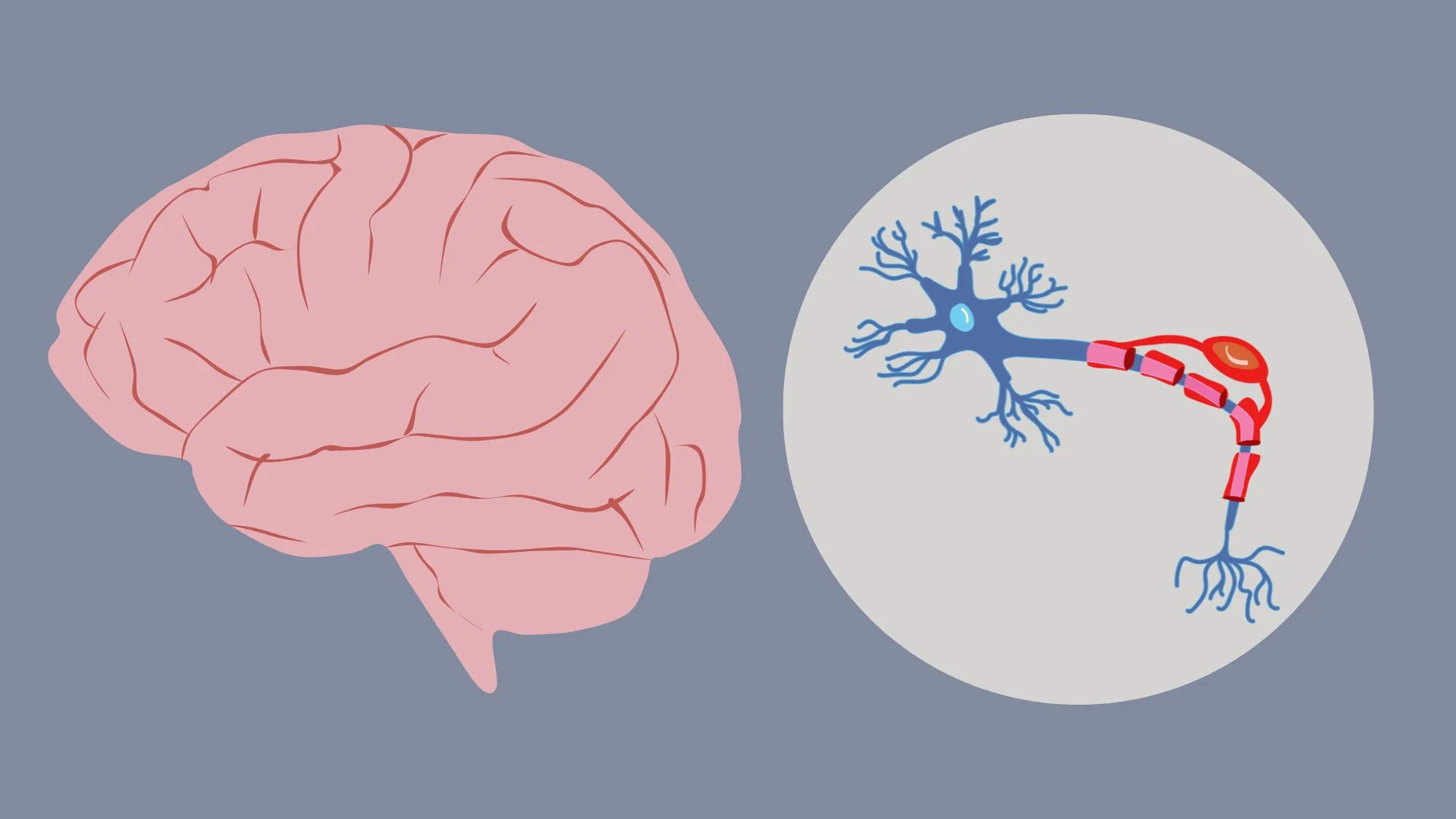
Before diving into self-care techniques, it is crucial to have a clear understanding of what multiple sclerosis is. MS is a chronic autoimmune disease that affects the central nervous system, causing damage to the protective covering of nerve fibers. This damage disrupts the flow of electrical impulses, leading to a wide range of symptoms and potential progression of disability over time.
What is Multiple Sclerosis?
Multiple sclerosis is a complex neurological condition that can manifest in various ways, making it unique to each individual. Common symptoms include fatigue, difficulty walking, muscle weakness, impaired coordination, and cognitive challenges.
But what exactly causes multiple sclerosis? While the exact cause of MS is still unknown, researchers believe that a combination of genetic and environmental factors plays a role in its development. Certain genes have been identified as potential risk factors for developing MS, but having these genes does not guarantee that a person will develop the disease. Environmental factors such as viral infections, vitamin D deficiency, and smoking have also been linked to an increased risk of developing MS.
When it comes to diagnosing multiple sclerosis, healthcare professionals rely on a combination of medical history, physical examination, and various tests. Magnetic resonance imaging (MRI) scans can help detect areas of inflammation and damage in the central nervous system, while lumbar puncture (spinal tap) can analyze the cerebrospinal fluid for abnormalities. These diagnostic tools, along with the presence of characteristic symptoms, can help confirm a diagnosis of MS.
Symptoms and Progression of Multiple Sclerosis
Since MS affects the central nervous system, symptoms can be unpredictable and can vary in intensity and duration. Some individuals may experience relapsing-remitting MS, characterized by flare-ups followed by periods of remission, while others may have progressive forms of the disease with a steady decline in function. Monitoring your symptoms and understanding their patterns can be essential in managing your MS.

It is important to note that MS symptoms can go beyond the physical. Many individuals with MS also experience emotional and psychological challenges. Depression, anxiety, and mood swings are common among people living with MS. It is crucial to address these mental health aspects alongside physical symptoms for a holistic approach to managing the disease.
Living with MS requires a multidisciplinary approach to care. Alongside medical treatments, individuals with MS can benefit from various self-care techniques. These techniques can include regular exercise to improve strength and flexibility, a healthy diet to support overall well-being, stress management strategies, and adequate rest and sleep to combat fatigue. Additionally, engaging in activities that promote mental and emotional well-being, such as meditation, therapy, or joining support groups, can be beneficial.
While there is currently no cure for multiple sclerosis, advancements in research and treatment options have significantly improved the quality of life for individuals with MS. It is important to work closely with healthcare professionals to develop a personalized treatment plan that addresses your specific needs and goals.
Remember, each person's experience with multiple sclerosis is unique, and what works for one individual may not work for another. It is essential to listen to your body, advocate for yourself, and seek support from healthcare professionals, loved ones, and the MS community.[5][6][7]
Living with Multiple Sclerosis and RRMS: Coping Strategies
Living with Multiple Sclerosis (MS) can be challenging, but with the right strategies and support, individuals can not only cope with the disease but also thrive. As an expert in MS management, I am here to provide information and guidance on understanding MS, managing its emotional impact, overcoming physical challenges, and making lifestyle adjustments to improve daily life.[1][2]
Phases of Multiple Sclerosis
MS is characterized by distinct phases, each with different symptoms and levels of disability. The disease can be categorized as relapsing-remitting MS (RRMS), secondary-progressive MS (SPMS), primary-progressive MS (PPMS), or progressive-relapsing MS (PRMS). Relapsing-remitting MS is the most common form, characterized by periods of relapse (worsening of symptoms) followed by periods of remission (partial or complete recovery). Secondary-progressive MS typically follows an initial relapsing-remitting course and gradually worsens over time. Primary-progressive MS is characterized by a steady progression of symptoms from the onset, without distinct relapses or remissions. Progressive-relapsing MS is the least common form, characterized by a progressive worsening of symptoms with occasional relapses.
Managing MS involves a multidisciplinary approach, including medication, physical therapy, occupational therapy, and lifestyle modifications. Disease-modifying therapies are commonly prescribed to reduce the frequency and severity of relapses, slow down the progression of the disease, and manage symptoms. Rehabilitation programs, such as physical and occupational therapy, can help improve mobility, strength, and overall quality of life. Additionally, lifestyle modifications, such as regular exercise, a balanced diet, stress management, and adequate rest, can contribute to overall well-being and symptom management.
Living with MS can be challenging, both physically and emotionally. It is important for individuals with MS to have a strong support system, including healthcare professionals, family, and friends. Support groups and online communities can also provide valuable resources and a sense of belonging. With proper management and support, individuals with MS can lead fulfilling lives and effectively navigate the challenges posed by the condition.[3][4]
Emotional Impact of Multiple Sclerosis
Receiving a diagnosis of Multiple Sclerosis (MS) can be emotionally overwhelming. The news can bring about a range of emotions, including fear, sadness, anger, and uncertainty. It is important to acknowledge and address these emotions to effectively manage the emotional impact of MS. Managing the emotional impact is crucial for overall well-being and can greatly contribute to a better quality of life.
Here are some strategies to help you navigate the emotional challenges that may arise:
Dealing with the Diagnosis
When faced with a diagnosis of MS, it is important to seek support from friends, family, or support groups who can provide empathy and understanding during this time. Connecting with others who have experienced similar situations can be incredibly helpful and comforting. They can offer advice, share their own experiences, and provide a sense of community.
In addition to seeking support from loved ones, consider talking to a mental health professional who specializes in chronic illness. They can help you process your emotions, develop coping strategies, and provide guidance on managing the emotional impact of MS. Therapy can be a safe space to express your fears, concerns, and frustrations, and to receive professional support.
Utilizing self-care techniques is also important in managing the emotional impact of MS. Practicing mindfulness and engaging in activities that bring joy and relaxation can help reduce stress and promote emotional well-being. This can include activities such as yoga, meditation, journaling, or spending time in nature.
Managing Anxiety and Depression
Anxiety and depression are common among individuals with MS. It is essential to address these mental health concerns through various approaches:
Engaging in regular exercise has been shown to improve mood and reduce anxiety symptoms. Physical activity releases endorphins, which are natural mood boosters. Finding an exercise routine that suits your abilities and interests can not only improve your physical health but also have a positive impact on your mental well-being.
Practicing stress-management techniques can also help alleviate symptoms of anxiety and promote relaxation. Deep breathing exercises, meditation, and progressive muscle relaxation are all effective techniques that can be incorporated into your daily routine. These practices can help calm the mind, reduce stress levels, and improve overall emotional well-being.
Consider therapy or counseling to learn coping mechanisms and receive professional support. Therapy can provide you with a safe space to explore your emotions, develop strategies to manage anxiety and depression, and receive guidance on navigating the emotional challenges of living with MS. A mental health professional can help you develop a personalized treatment plan tailored to your specific needs.
Building Emotional Resilience
Building emotional resilience is key to navigating the challenges that may arise while living with MS. Here are some strategies to enhance emotional resilience:
Developing a positive mindset is crucial in building emotional resilience. Focusing on your strengths and achievements can help shift your perspective and promote a sense of empowerment. Celebrate your accomplishments, no matter how small they may seem, and remind yourself of your resilience and ability to overcome challenges.
Setting realistic goals and breaking them down into manageable steps can help avoid feeling overwhelmed. By breaking down larger tasks into smaller, more achievable ones, you can maintain a sense of progress and accomplishment. This can help boost your confidence and motivation, and reduce feelings of stress and anxiety.
Practicing self-compassion is essential in building emotional resilience. Living with MS can be challenging, and it is important to be kind to yourself. Remind yourself that it is okay to ask for help when needed, and that taking care of your emotional well-being is just as important as taking care of your physical health. Treat yourself with the same compassion and understanding that you would offer to a loved one facing similar challenges.
Managing the emotional impact of MS is crucial for overall well-being. By seeking support, addressing anxiety and depression, and building emotional resilience, you can effectively navigate the emotional challenges that may arise. Remember, you are not alone in this journey, and there are resources and strategies available to help you cope and thrive.[5][6][7][8][9]
Why Self-Care Matters for Multiple Sclerosis
Self-care helps you take charge of your health when living with multiple sclerosis (MS). It lets you tackle the physical, mental, and emotional challenges that come with this unpredictable condition, improving your daily life.
MS can be tough, with symptoms that affect your body, mind, and emotions. Adding self-care to your routine can make a big difference in how you feel and how you manage the condition.
How Self-Care Helps Manage MS
Managing MS means combining medical treatments with self-care habits. Treatments focus on the disease itself, while self-care boosts your overall health and well-being.
Self-care includes things like eating well, staying active, getting good sleep, managing stress, and finding emotional support. These habits can ease symptoms, lower the risk of complications, and help you feel better mentally and physically.
Benefits of Self-Care for MS
Self-care can improve how you feel with MS. It can lessen symptoms, boost your physical and mental abilities, lift your mood, and make life more enjoyable.
For example, regular exercise can strengthen muscles, improve flexibility, and help with balance. It also fights fatigue and boosts energy. Plus, staying active can improve your mood and reduce feelings of depression or anxiety.
Managing stress with techniques like mindfulness or relaxation exercises can help you handle the emotional ups and downs of MS. These practices can make you feel calmer and more in control.
Eating a balanced diet and getting enough rest are also key. These habits support your immune system, help manage symptoms, and keep you healthy overall.
Self-care isn't the same for everyone with MS. You might need to try different approaches to find what works best for you.
Physical Self-Care Tips
Taking care of your body is a big part of managing MS symptoms and staying healthy. Here are some practical ways to do it:
Exercise and Physical Therapy
Regular exercise can improve your strength, flexibility, and balance, which MS can affect. It also lifts your mood. Try low-impact activities like walking, swimming, yoga, or tai chi, which you can adjust to your abilities.
Working with a physical therapist can help, too. They can design exercises to improve mobility, reduce stiffness, and make daily tasks easier. A therapist can also suggest tools or techniques to support your movement.
Nutrition and Diet
Eating well supports your overall health and helps manage MS symptoms. A balanced diet with fruits, vegetables, whole grains, and lean proteins provides the nutrients your body needs to reduce inflammation and stay strong.
A dietitian who knows about MS can create a meal plan tailored to you. Some studies suggest that foods high in omega-3s and antioxidants, like those in an anti-inflammatory diet, may ease MS symptoms and improve how you feel.
Sleep and Rest
Good sleep is especially important for people with MS, as fatigue is a common symptom. A consistent sleep schedule and a relaxing bedroom environment can help you rest better and feel more energized.
Try relaxation techniques like deep breathing or meditation to reduce stress and improve sleep. A bedtime routine, such as reading, taking a warm bath, or listening to calm music, can also help you wind down.
Self-care is about listening to your body. Adding these physical habits to your routine can help you manage MS and feel better overall.
Managing Physical Challenges
Living with multiple sclerosis (MS) can present a range of physical challenges that affect mobility, energy levels, and pain. These challenges can vary from person to person, but by actively managing them, individuals can optimize their daily functioning and quality of life.
One of the most common physical challenges faced by individuals with MS is mobility issues. This can manifest as difficulty walking or maintaining balance.
To address these challenges and improve mobility, there are several strategies that can be implemented:
- Working with a physical therapist to develop an individualized exercise program that focuses on strength, balance, and coordination. This can help improve muscle strength and stability, making it easier to navigate daily activities.
- Considering the use of assistive devices such as canes or walkers to enhance stability and independence. These devices provide additional support and can help individuals maintain their mobility.
- Modifying the home environment to minimize hazards and improve accessibility. This can include installing grab bars in the bathroom, ramps for easier access, and rearranging furniture to create clear pathways.
In addition to mobility issues, individuals with MS often experience fatigue, which can significantly impact their daily lives.
By implementing energy management strategies, it is possible to conserve energy and minimize fatigue:
- Prioritizing activities and delegating tasks whenever possible. This allows individuals to focus their energy on the most important tasks and avoid unnecessary exhaustion.
- Taking regular breaks and pacing oneself throughout the day. This helps prevent overexertion and allows for necessary rest periods.
- Practicing good sleep hygiene by establishing a consistent sleep schedule and creating a sleep-friendly environment. Quality sleep is essential for managing fatigue and maintaining overall well-being.
MS-related pain is another common challenge that individuals may face. This pain can be localized or widespread, and it can significantly impact daily life.
Here are some techniques that can help manage and reduce MS-related pain:
- Using heat or cold therapy, such as warm compresses or cold packs, to alleviate localized pain. Heat can help relax muscles and reduce stiffness, while cold therapy can numb the area and reduce inflammation.
- Engaging in relaxation techniques, such as deep breathing exercises or guided imagery. These techniques can help reduce stress and promote a sense of calm, which can in turn help manage pain.
- Considering alternative therapies, such as acupuncture or massage, which have shown beneficial effects in managing pain. These therapies can help alleviate muscle tension and promote overall relaxation.
By actively managing the physical challenges associated with MS, individuals can improve their overall well-being and maintain a higher quality of life. It is important to work closely with healthcare professionals to develop a personalized management plan that addresses individual needs and goals.
Emotional Self-Care for MS
MS can be emotionally tough due to its unpredictable symptoms. Emotional self-care can help you cope with stress and stay positive.
Find hobbies you enjoy, like painting, writing, or playing music. These activities can be a great way to unwind and focus on something other than MS.
Mindfulness, paying attention to the present moment without judgment, can help you manage stress. Try deep breathing or body scans to stay calm and grounded.
Joining an MS support group can make a big difference. Sharing your experiences with others who understand can provide comfort and practical advice. Being part of a community helps you feel less alone.
Emotional self-care takes effort, but it's worth it. Prioritizing your mental health with these habits can help you navigate MS with a clearer, more positive mindset.
Cognitive Self-Care Techniques
MS can affect memory and focus, but cognitive self-care can help keep your brain sharp.
Try activities that challenge your mind, like puzzles (crosswords, Sudoku, or jigsaws). These can improve memory and concentration while keeping your brain active.
Reading books or articles stimulates your brain and builds vocabulary and comprehension. It's a relaxing way to give your mind a workout.
Learning something new, like playing an instrument or studying a language, can also boost cognitive skills. These activities challenge your brain and keep it engaged.
Using tools like to-do lists or apps like CareClinic can help you stay organized and reduce mental strain. These aids make it easier to manage tasks, appointments, and medications.
Cognitive Behavioral Therapy
Cognitive behavioral therapy (CBT) can help with cognitive challenges from MS. It focuses on changing negative thought patterns that affect your mental clarity.
A therapist trained in CBT can guide you to recognize unhelpful thoughts and replace them with positive ones. This can improve your focus and overall well-being.
CBT also teaches practical strategies, like breaking tasks into smaller steps or using memory aids, to manage cognitive difficulties. If you're struggling with memory or focus, a CBT specialist can offer tools to help.
Making Self-Care Part of Your Routine
Making self-care a regular habit is key to managing MS. It's about prioritizing your health every day to feel your best.
Start with a simple self-care plan. List activities like exercise, healthy eating, or relaxation, and set realistic goals that fit your schedule. Consistency is what makes it work.
Track your efforts with tools like the CareClinic app to monitor symptoms and see what's helping. This can show you what's working and where you might need to tweak your routine.
Adjusting Self-Care Over Time
MS symptoms can change, so your self-care needs might, too. Be flexible and adjust your habits as needed to keep them effective.
Talk to your healthcare team, like your neurologist, for advice on updating your self-care plan. They can suggest new strategies or tweaks to match your current needs.
Connecting with MS support groups or online communities can also help. You can share tips, learn from others, and find new ways to care for yourself.
Self-care is an ongoing effort. By making it part of your daily life and staying open to changes, you can better manage MS and support your well-being.
Tracking Multiple Sclerosis Symptoms and Routines
As you navigate the complexities of living with Multiple Sclerosis, the CareClinic App can be a valuable tool in your journey towards coping and thriving. With features designed to track symptoms, manage medication schedules, and log physical therapy exercises, the app helps you maintain control over your health regimen.
By consistently recording your daily activities, diet, and sleep patterns, you can gain insights into what works best for you and make informed decisions with your healthcare providers. The CareClinic App also offers reminders for medication and appointments, ensuring you stay on top of your treatment plan. Embrace the power of self-management and take an active role in improving your health outcomes. Take the next step in your MS management by choosing to Install the App today and experience the difference it can make in your daily life.
References
- "Multiple Sclerosis Patients on the Most Effective Ways Doctors Can Treat Their Condition". https://time.com/6199310/multiple-sclerosis-improve-care-diagnosis-symptoms/
- "Management of multiple sclerosis". https://en.wikipedia.org/wiki/Management_of_multiple_sclerosis
- "$3 million Breakthrough Prize goes to scientists who completely changed our understanding of multiple sclerosis". https://www.livescience.com/health/viruses-infections-disease/3-million-breakthrough-prize-goes-to-scientists-that-completely-changed-our-understanding-of-multiple-sclerosis
- "Tackling the century-long mystery of multiple sclerosis". https://www.axios.com/2022/04/28/multiple-sclerosis-medical-advances
- "Multiple Sclerosis Foundation - 5 Coping Strategies for Being Diagnosed with MS". https://msfocusmagazine.org/Magazine/Magazine-Items/5-coping-strategies-for-being-diagnosed-with-MS.aspx
- "Multiple Sclerosis Foundation - Taking Care of Your Emotional Wellness". https://msfocus.org/Magazine/Magazine-Items/Summer-2019/Taking-Care-of-Your-Emotional-Wellness
- "Coping Strategies for People with Multiple Sclerosis - Multiple Sclerosis Centers of Excellence". https://www.va.gov/MS/TREATING_MS/Whole_Health/Coping_Strategies_for_People_with_MS.asp
- "Mental health and multiple sclerosis | MS-UK". https://ms-uk.org/mental-health-choices-booklet/
- "Multiple Sclerosis Foundation - Emotions and MS: 5 Ways to Develop Resilience". https://msfocusmagazine.org/Magazine/Magazine-Items/Emotions-and-MS-5-Ways-to-Develop-Resilience.aspx
- "Signs and symptoms of multiple sclerosis". https://en.wikipedia.org/wiki/Signs_and_symptoms_of_multiple_sclerosis
Resources for MS Self-Care
Living with MS can be challenging, but there are plenty of resources to help you care for yourself and improve your quality of life.
MS support groups and online communities, like the CareClinic Community, let you connect with others who get what you're going through. Sharing experiences and tips can offer comfort and practical ideas.
Sometimes, you might need professional help. Neurologists, therapists, or MS clinics can provide expert advice on managing symptoms, medications, and lifestyle changes. Reaching out ensures you have the support you need for your specific challenges.
Embrace the power of self-care with the CareClinic App, your comprehensive companion for managing multiple sclerosis. With features tailored to track symptoms, medication, and daily activities, CareClinic empowers you to take control of your health journey. Monitor your progress over time, identify patterns, and make informed decisions with the help of detailed reports and reminders. By consistently using the CareClinic App, you can establish routines that contribute to long-term well-being and improved health outcomes. Understand the intricacies of your condition, manage your symptoms effectively, and discover the benefits of self-care journaling. Learn more about Self-Care Journaling and how the CareClinic App can support your path to a fulfilling life with MS.
References
- "Maintaining a Healthy Lifestyle with Multiple Sclerosis | UCSF Health". https://www.ucsfhealth.org/education/maintaining-a-healthy-lifestyle-with-multiple-sclerosis
- "Coping Strategies for People with Multiple Sclerosis - Multiple Sclerosis Centers of Excellence". https://www.va.gov/MS/TREATING_MS/Whole_Health/Coping_Strategies_for_People_with_MS.asp
- "Multiple Sclerosis Self-Care: Guide - Medicine.net". https://medicine.net/news/Stemcells/Multiple-Sclerosis-Self-Care-Guide.html
- "5 Tips for Living Better with MS: Patients and Caregivers | Johns Hopkins Medicine". https://www.hopkinsmedicine.org/health/conditions-and-diseases/multiple-sclerosis-ms/5-tips-for-living-better-with-ms-patients-and-caregivers
- "Multiple Sclerosis (MS) | Johns Hopkins Medicine". https://www.hopkinsmedicine.org/health/conditions-and-diseases/multiple-sclerosis-ms/
- "$3 million Breakthrough Prize goes to scientists that completely changed our understanding of multiple sclerosis". https://www.livescience.com/health/viruses-infections-disease/3-million-breakthrough-prize-goes-to-scientists-that-completely-changed-our-understanding-of-multiple-sclerosis
- "Ancient human DNA hints at why multiple sclerosis affects so many northern Europeans today". https://apnews.com/article/c8fbfe4ba7d4e2447eec52c6000878dc
- "Management of multiple sclerosis". https://en.wikipedia.org/wiki/Management_of_multiple_sclerosis
- "Mindfulness-based stress reduction". https://en.wikipedia.org/wiki/Mindfulness-based_stress_reduction
- "Multiple Sclerosis Patients on the Most Effective Ways Doctors Can Treat Their Condition". https://time.com/6199310/multiple-sclerosis-improve-care-diagnosis-symptoms/